• Skip to primary navigation
  • Skip to main content
  • QUICK LINKS
    • CONTACT US
    • CONNECT
      WITH US
    • FACULTY APPLICATION
    • PUBLICATIONS
    • PRESS KIT
  • About
    • Mission & Values
    • Staff & Board
    • Accreditation & Institutional Research
  • Academics
    • Admissions
    • AA Degree
    • College Prep
    • Faculty
    • Apply To Teach
  • Students & Alumni
    • Students
    • Alumni
    • OpenLine Literary Journal
  • Resources
    • Practitioner Support
    • Resources for Incarcerated Students
    • Research on Prison Higher Education
  • News
    • Top MTC Stories
    • Recent Press
    • From the President
    • Commencement
  • Give to MTC
    • Donate
    • Shop

Mount Tamalpais College

Academic Writing

Contributing Factors to the Extinction Vortex of Normal Life on Earth: The Perils Created in the Manmade Production of Chemical Pesticides (PCBs), Chlorofluorocarbons (CFCs), and Other Toxins

June 3, 2025 by Mt. Tam College

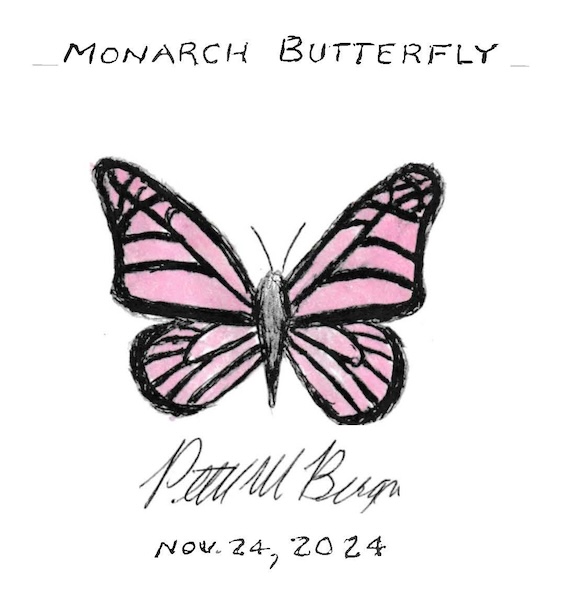
The author’s artwork, completed during MTC’s Entomological Illustrations elective

In the South American country of Peru, there exists an important stopover location for the migratory bird known as the North American sanderling. Sanderlings are similar to the tern and sandpiper species. As shorebirds, they perform some extraordinary feats.

With the uncanny ability to travel more than 15,000 miles a year, sanderlings are a superb example of God’s creative ability in the natural world of biodiversity. The migratory wintering ground of the sanderling is along the river mouths and estuaries of the two major rivers of Peru that flow into the Pacific Ocean. Upon their well-timed arrival in the autumn of each year for centuries, the agile birds frolic, preen themselves, feed, and bathe in and around the water’s edge of the estuary they have chosen. 

However, due to the Industrial Revolution and mankind’s ever-increasing dependency on the use of chemicals since the 1940s, avian populations worldwide have declined precipitously. Scientists and ornithologists from the Manomet Bird Observatory in Plymouth, Massachusetts, found that from 1975 to 1995, the population of the sanderling declined a staggering eighty percent. The birds had been closely monitored as they flew southward along the East Coast of the United States toward their wintering ground. The plight of the sandpipers was nearly as bad over the same time period.

The problem that led to the decline of sanderlings is disturbing. Nearly every stream and rivulet in western Peru reeked of pesticide molecules or PCB particles, which, no doubt, the birds were ingesting as they fed or bathed along the riverbanks. Downstream in Peru, pesticides have been and are still used aggressively to combat insects and rodents in wheat fields, orchards, rice fields, and livestock farms. Toxaphene is used as a cotton field pesticide to combat the boll weevil. The Peruvian government has been very lax and way behind the United States in the regulation and enforcement of pesticide use. Thousands of sanderlings and other migratory birds pick up and transport a substantial number of pesticide particles to various way stations on their return flights to North America. 

Scientists and ornithologists have learned that PCB contaminants in avian species have interfered with their reproductive abilities, navigation sensory systems, and neurological functions. There is now good reason to regard endocrine-disrupting chemicals as a major long-term threat to the world’s biodiversity. There exists a deep and complex interconnection between man, animals, and avian creatures in the natural environment, and as intelligent beings, we must realize that our very survival in future generations depends largely on how we respect and manage our industrial activities and products in relation to nature and the environmental habitats of other living species.

A prime example of how manmade chemical compounds and pesticides began to inflict real harm on animal life in the United States is the mink crash of the early 1950s in the Great Lakes region. Minks are very sensitive to PCB molecules or related particles and were nearly wiped out over a three-year period from exposure to polychlorinated biphenyl molecules present in fish, which are a major food source for the mink population of North America. The fish themselves had been contaminated from industrial waste materials released into Lake Erie, Lake Ontario, and Lake Huron. Biologists discovered that muskrats were barely affected because they are plant eaters and not carnivores like the minks. The impact was felt when female minks failed to bear offspring as a result of being exposed to as little as 3 to 5 parts per million of PCBs. A number of minks examined post-mortem also revealed 8 to 10 parts per million of PCB molecules in their body tissue.

During the mid-to-upper 1950s, a similar decline in Britain and western Europe occurred in the case of English otters, which had been exposed to PCBs. The chemical substances in microscopic amounts had been carried by windborne air currents across Great Britain from the industrial heartland of Europe.

After decades of manufacturing and industrial development in the Great Lakes region of the United States, a spawning ground for a myriad of chemical substances and molecules had developed. Biologists and toxicologists from the Environmental Protection Agency (EPA) found that there were at least 600 different kinds of chemical compounds and toxins present in the waters of Lake Erie, Lake Ontario, and Lake Michigan during a survey conducted in 1995. Both lake trout and salmon nearly became extinct before 1960 but have rebounded modestly since that time. When exposed to as little as 4 parts per million of dioxin (or 2,3,7,8-TCDD), trout eggs show significant mortality rates. At the higher level of 6 or 7 or more parts per million, all living trout eggs will surely perish. After the mink crash in the Great Lakes circa 1960, the price of mink coats for women skyrocketed in the boutiques of New York, London, and Paris.

Much further away in the 400-mile-long Lake Baikal in Russia, a related toxic chemical spill from an industrial waste dumping incident in 1987 caused the death of more than 9,000 seals. Further west, in the waters of the Baltic Sea and Wadden Sea, the populations of gray seals and harbor seals of Western Europe declined by nearly two-thirds between 1960 and 1985. They have only rebounded slightly since then.

In a different environmental venue in Central America and the southern United States, the loss of frogs has been alarming over the past four decades. The known cause, as in many other cases, is the impairment of the frogs’ hormone and reproductive systems, which are extremely sensitive to chemical impostor molecules. Some PCBs significantly limit the frogs’ ability to reproduce. Even the now-rare golden toad of Costa Rica has declined drastically in number. According to respected herpetologists from the University of California, Berkeley, a comprehensive study concluded in 2010 confirmed this trend.

It will take a few decades for the affected environments and ecosystems to be cleaned up. Many chemical compounds today are classified as biohazard materials, and extra care should always be applied when transporting, delivering, or disposing of such materials. It is hoped that through improved waste disposal methods and good stewardship, mankind will salvage and preserve the health of his planet. As stewards of our world, we all share a responsibility to manage our resources wisely, without unreasonable excess or wastefulness. 

It is of great concern to scientists and sociologists around the world what the destiny of the human race will be unless mankind is able to achieve more effective control of the environment, including the biological and chemical forces that influence it. The biological anomalies and endocrine disruptors affecting animals and avian species of Earth will, in time, have a profound impact on humans because we are all connected. There should be no doubt that the laws of biogenesis and divine creation established a perfectly balanced world, and that our presence here is a great gift—with fundamental obligations attached.


Bibliography

  • Journal of Toxicology and Environmental Health, 33(4): 455–520, by T. Kugiak & J. Ludwig (1991)
  • Ecology and Conservation, by C. Mason, Cambridge University Press (1990)
  • Environmental Science and Technology, 22(9): 1071–1079, by Derek Muir & R. Norstrom (1988)
  • British Medical Journal, 305: 609–613, by Dr. Niels Skakkebæk (1992)
  • Clinical Endocrine Psychology, by W.B. Saunders (1987)
  • American Journal of Epidemiology, 121(2): 269–281, by T. Colton (1985)
  • The Physiology of Reproduction, 2nd ed., by T. Neill (1994)
  • Between Earth and Sky: How CFCs Changed Our World and Endangered the Ozone Layer, by S. Cagin, Pantheon (1993)
  • Journal of the Fisheries Research Board of Canada, 35(11): 1401–1409, by D. Hallett & R. Sonstegard (1978)
  • Distemper Virus in the Baikal Seals, 338: 209–210, by P. Ross & L. Visser (1988)
  • Suffer the Children: The Story of Thalidomide, by Dr. John Meter, Viking (1979)
  • Mosby’s Medical, Nursing, and Health Dictionary, 8th ed., by D.M. Anderson, Chief Lexicographer (Mosby’s Inc., St. Louis, 2018)

Note From the Author

On this day I would like to gratefully thank everyone in the bibliography of the article named herein living and deceased and other contributors for their inspiration which led me to draft my condensed interpretation of the crisis our world is experiencing and facing for many decades to come, both in “The Perils Created in the Manmade Production of Chemical Pesticides and Other Toxins.” We must preserve to the best of our ability the gift of planet Earth which God has so graciously given us without prejudice. 

-Peter M. Bergne, May 12, 2025

Photo and Illustration courtesy of Peter M. Bergne

Filed Under: Academic Writing, Open Line Tagged With: Openline_P-2

Symposium on Criminal Justice Reform and Philanthropy—Students Reimagine Reform

February 6, 2019 by Mt. Tam College

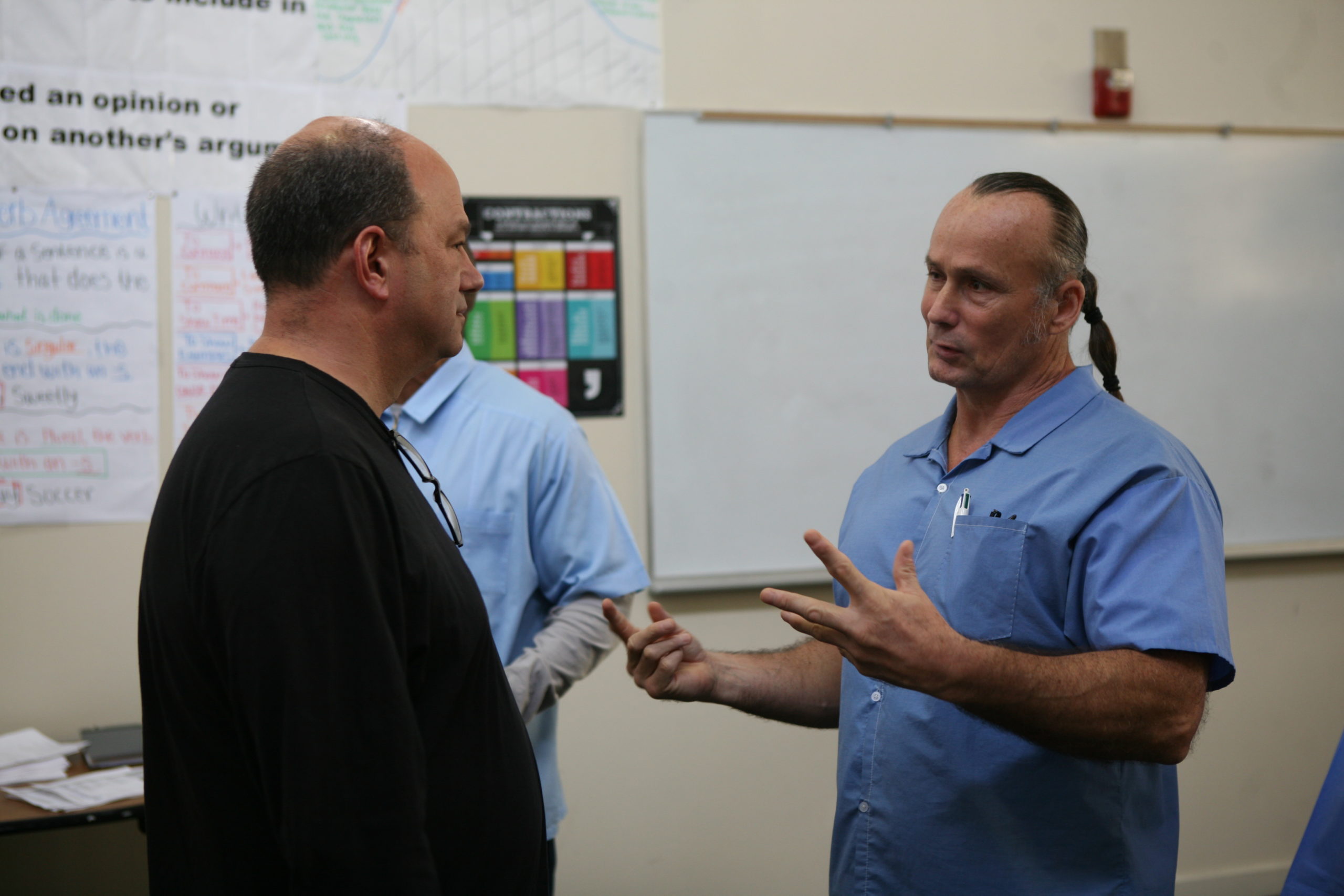
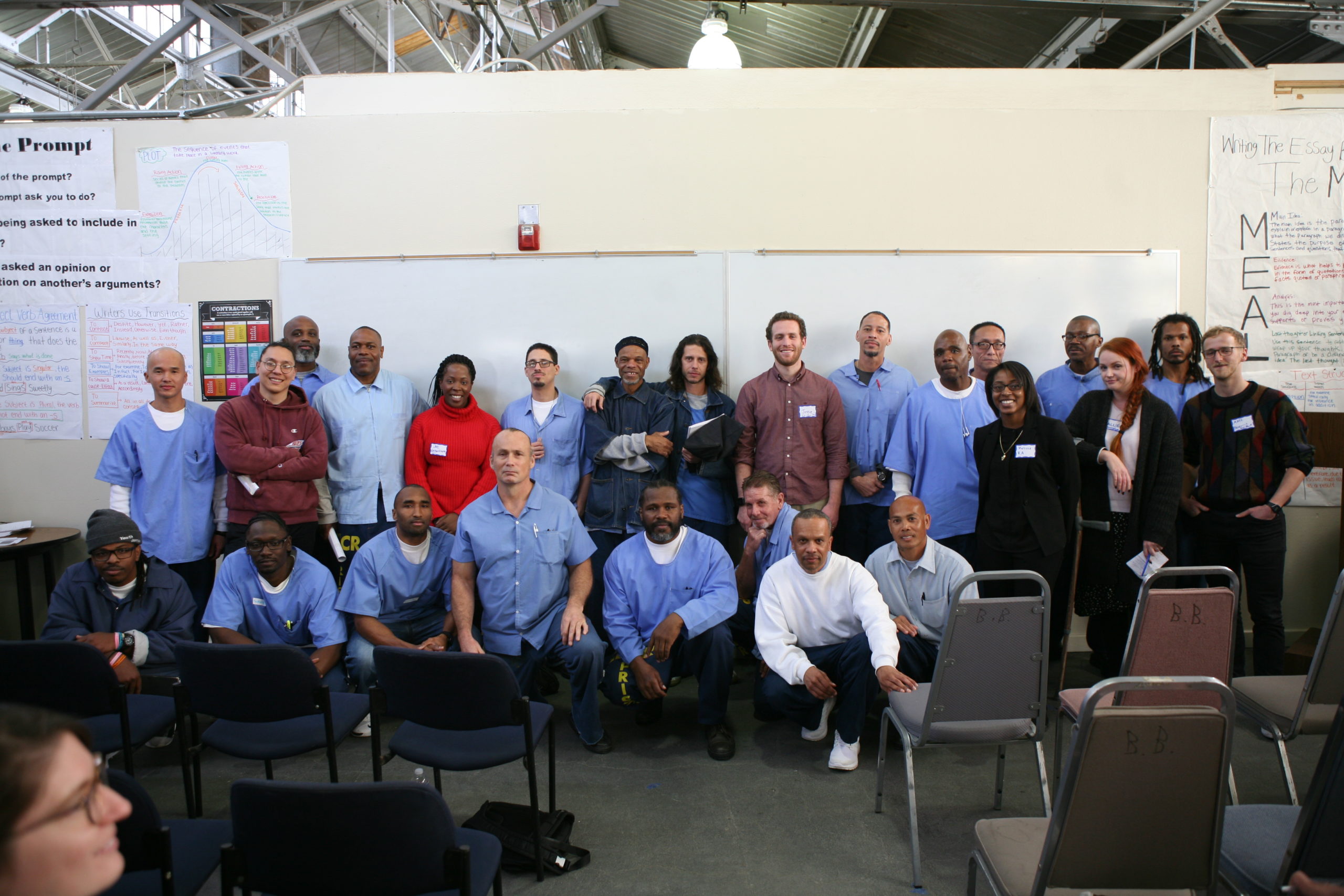
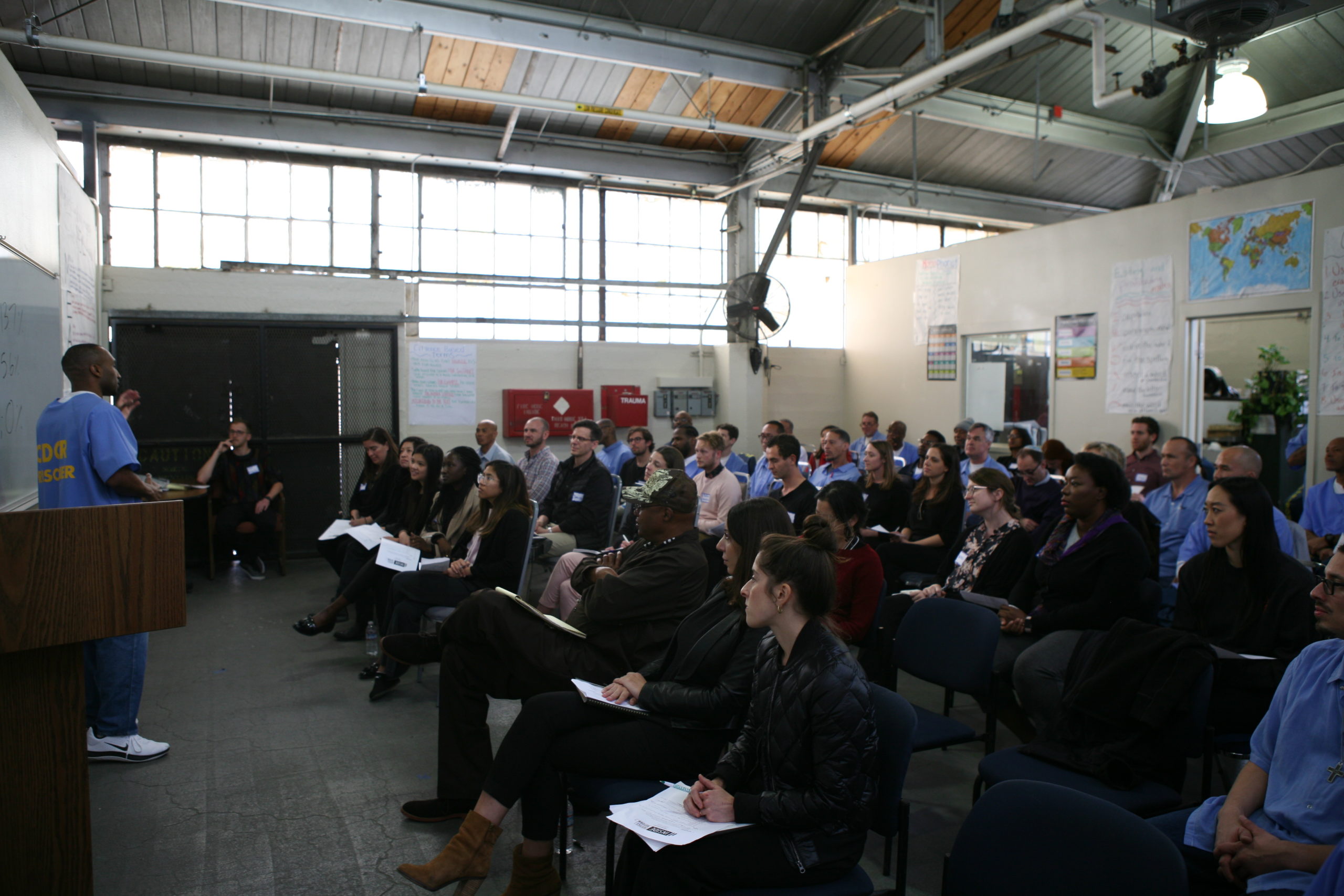
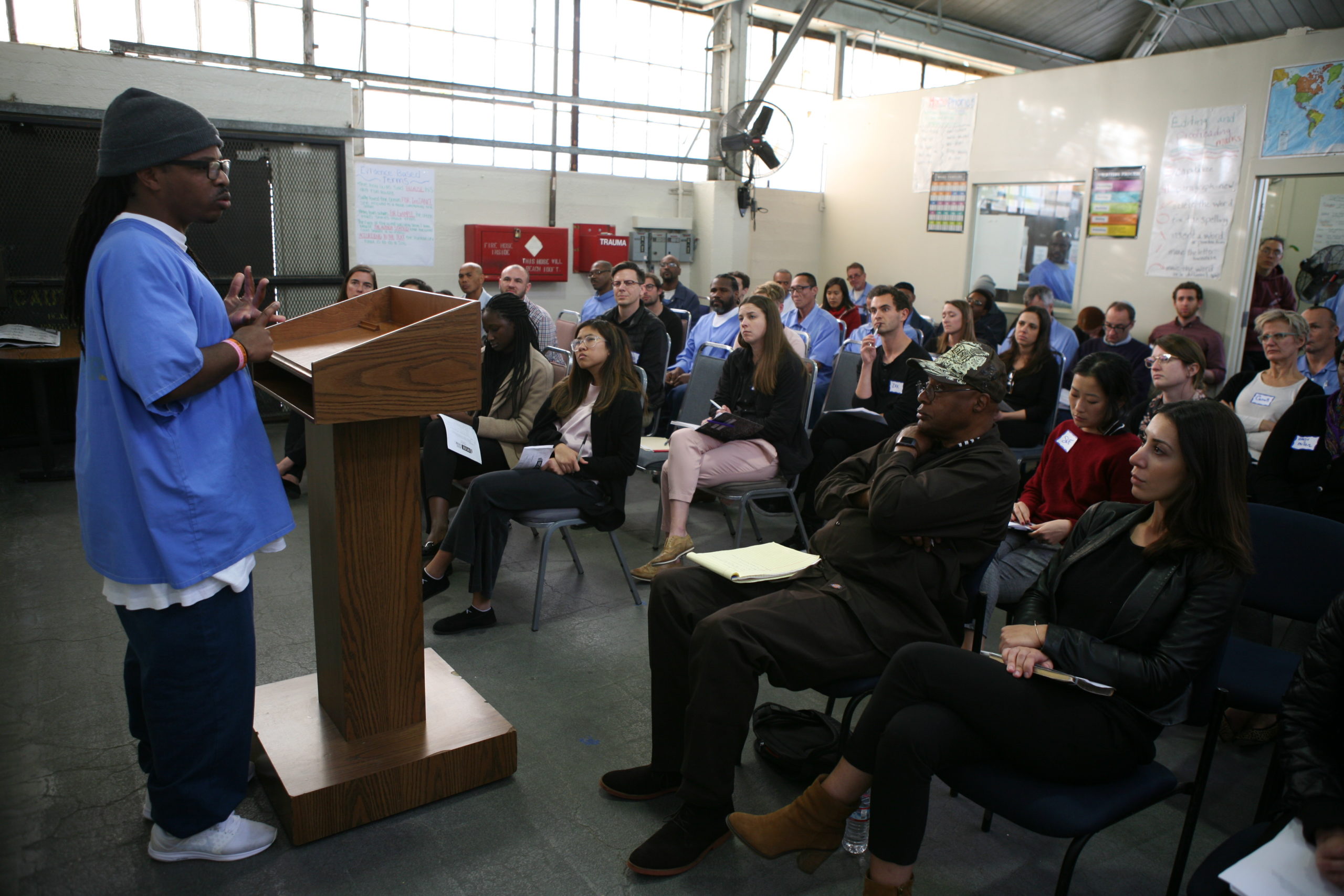
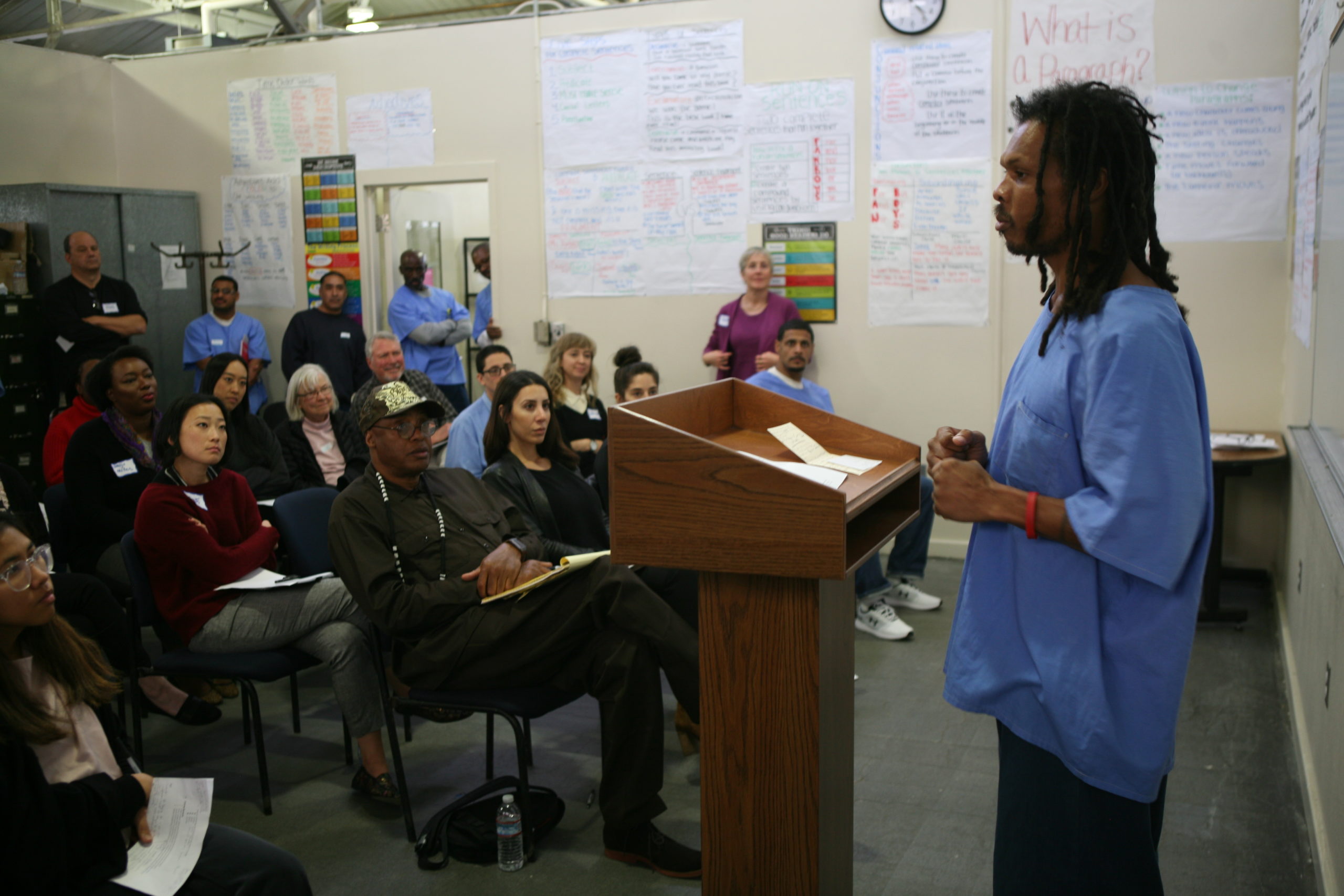
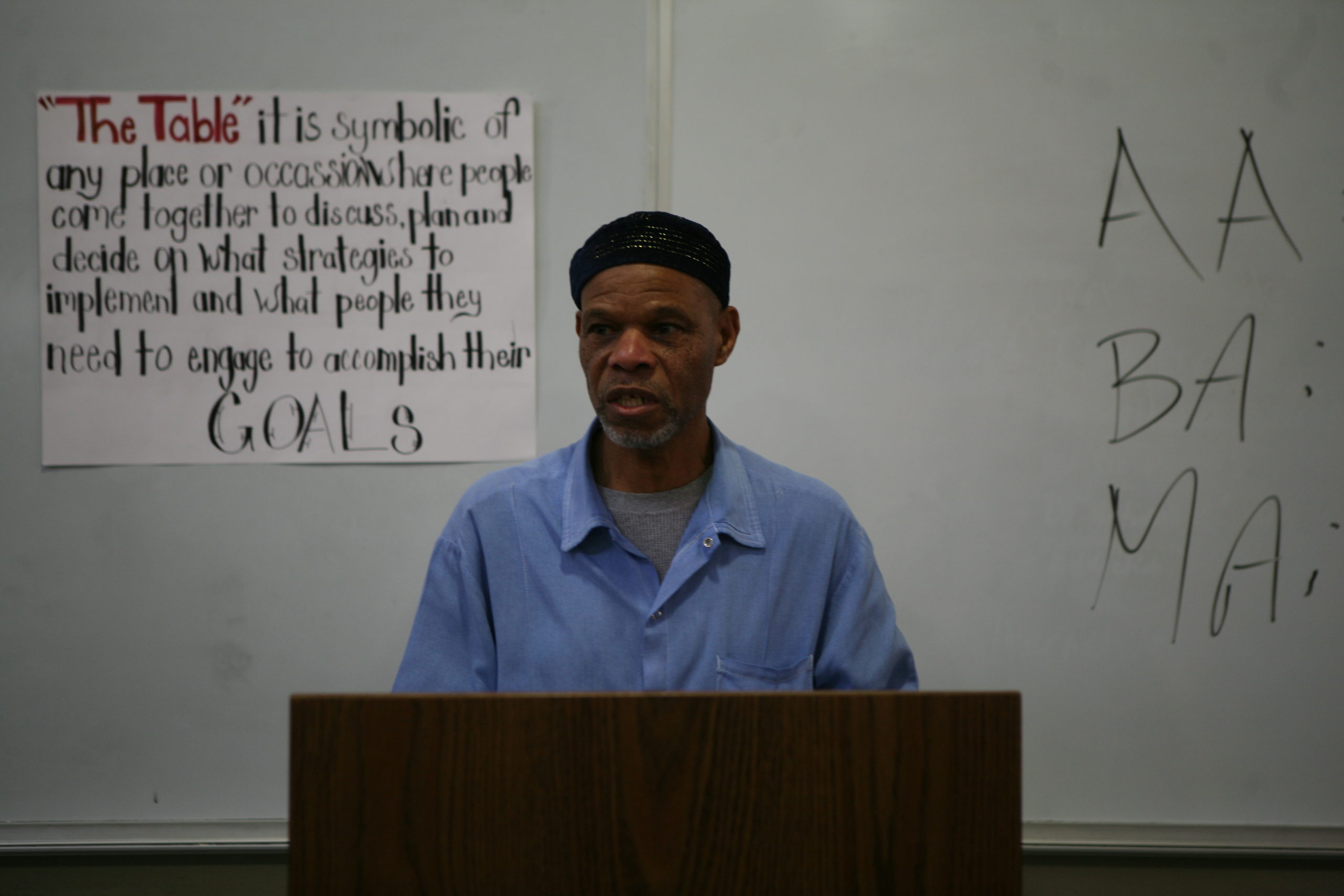
On January 26, the Prison University Project hosted a Symposium on Criminal Justice Reform and Philanthropy in partnership with the Chan Zuckerberg Initiative. This event showcased proposals developed by students of the College Program at San Quentin State Prison through an intensive workshop during the fall semester. Guided by two facilitators and four research assistants, students first learned about theories of power and the foundations of philanthropy before crafting their own solutions to mass incarceration. The symposium allowed those most impacted by the criminal justice system to claim their rightful seat at the table of reform and contribute to the conversations surrounding their lives and futures. Summaries of some of the students’ proposals are featured below.

Randy Akins
Akins proposes the creation of a speakers bureau of formerly incarcerated people and their allies to inform the public about the impacts of mass incarceration and to help instigate conversation about alternatives to the current system that has caused such harm, especially in African-American communities. His proposal highlights the potential of facilitating ways for formerly incarcerated people to contribute to their communities and to the conversation around criminal justice reform. Due to their intimate familiarity with the system, the voices and efforts of formerly incarcerated people in working to improve the system and strengthen their communities are significant.

Wayne Boatwright and Clark Gerhartsreiter
Gerhartsreiter and Boatwright propose the creation of a startup research institute – The Institute for Decarceration Studies – that finds, structures, and scales solutions for criminal justice reform with the particular goal of reversing mass-incarceration. The Institute aims to do this through the discipline of academic inquiry, combined with strategic synthesis and analysis of the best research and data. Operating from within a state prison and staffed by incarcerated persons, the Institute would publish a quarterly academic research journal. It will also conduct off-site parallel operations through a scholar-in-residence program in collaboration with a major research university.

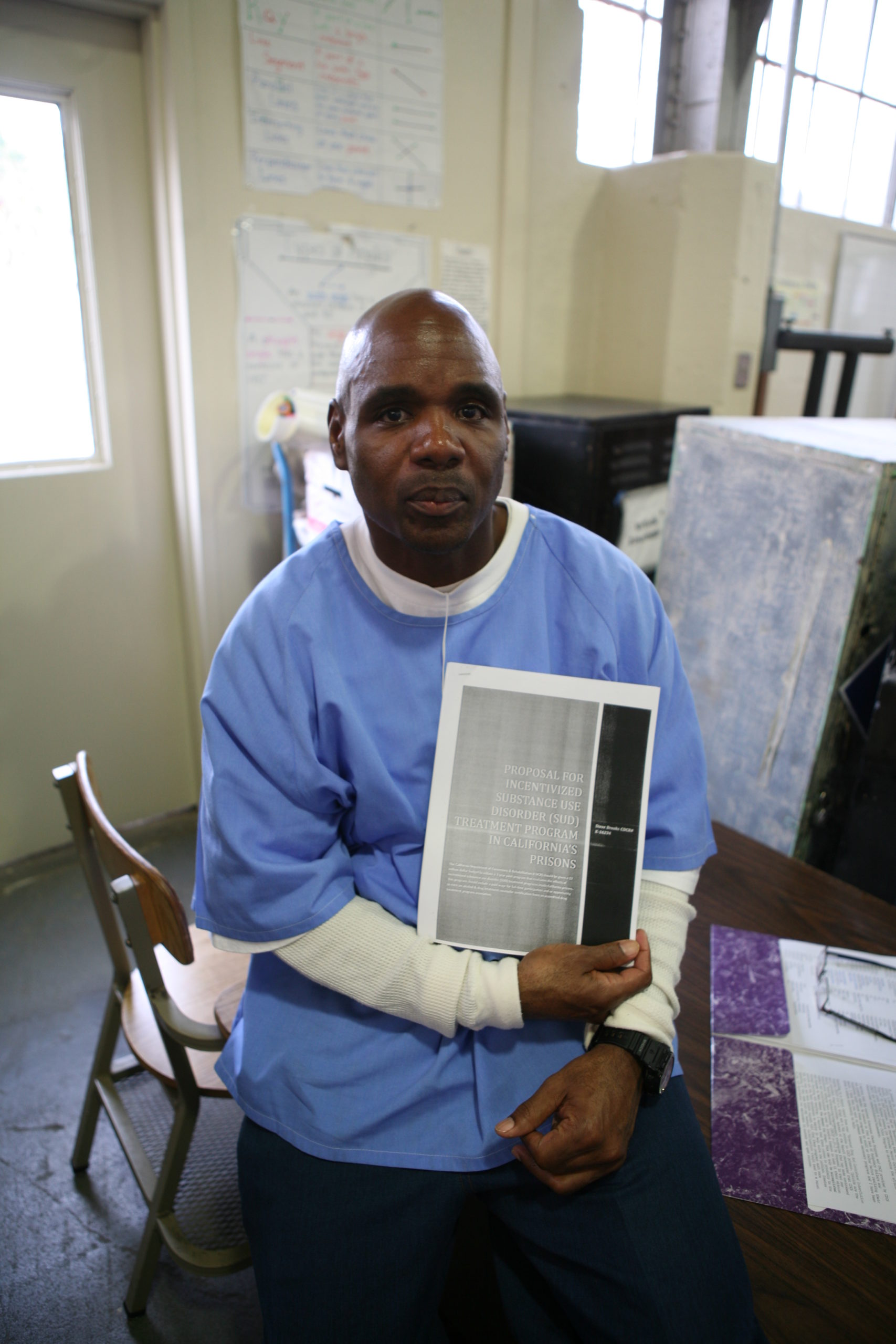
Steven Brooks
Brooks proposes that CDCR implement an incentivized, rehabilitative program intended to reduce or eliminate the possession, use and sale of addictive substances within its institutions. Brooks believes that this would also help facilitate incarcerated people’s focus on rehabilitation. Today, California’s prison system is full of drugs, drug users and drug dealers, and often incarcerated people are forced through default to “hustle” for survival. Even those who are serious about their rehabilitation process often lose their willpower to abstain from illegal trading after too many nights of going to bed hungry. To encourage prisoners who have little or no family support to choose participation in rehabilitation programs, CDCR could offer incentives for participation in substance use disorder treatment and drug counseling programs. They would not only benefit the participants by helping them recover from addictions, but make CDCR institutions less punitive and more rehabilitative in nature.

Conrad Cherry
Cherry proposes the funding of re-entry “advocates” who will use technology to help incarcerated people get housing and employment. Currently, people preparing for release, and especially those preparing for parole hearings, have a hard time connecting to available programs and services because of technological and logistical barriers. It is difficult for many people, especially those without family support, to prove to the parole board that they will be able to support themselves in the community because they cannot communicate with potential employers or transitional housing providers easily. Funding advocates to assist people in locating, communicating with, and applying for employment and housing would greatly improve people’s chances for success when they re-enter the community and improve their ability to demonstrate their ability to function successfully in the community to the parole board.

Roberto DeTrinidad
For the average U.S. citizen, our current judicial system is a vast web of protocols, technicalities and jargon. There is, effectively, a language barrier preventing clear understanding. DeTrinidad proposes a pilot project that seeks to alleviate the gaps in understanding that exist within today’s court rooms. DeTrinidad proposes creating a panel of psychologists, linguists, educators, justice system stakeholders (i.e., District Attorneys, Public Defenders, etc.) and average U.S. citizens of varying reading levels to review and simplify the language used in court and court documents. In addition, beginning with a single courtroom, this pilot project would test a system where judges and other courtroom actors would have to confirm a defendant’s understanding of each discussed item before proceeding, as well as create a space for open dialogue in the courtroom.

Ronell Draper
Community reform and prison reform should go hand in hand; there needs to be a conversation between the two. Instead of only focusing on self-help programs inside prisons, people working on prison reform should also work on community building in order to address past traumas and prevent future traumas. Draper’s proposal addresses the need for criminal justice reform to co-exist with community reform efforts – to humanize returning citizens while the community can have real interaction with the incarcerated by attending self-help groups alongside one another, becoming allies and champions for one another.

Teddy Fields
Fields seeks funding to support a ballot initiative to reform California’s Three Strikes Law. The People’s Fair Sentencing and Public Safety Act, originally proposed for the 2018 ballot, would change the language of the Three Strikes Law to ensure that individuals whose triggering offense is nonviolent no longer be exposed to a lengthy life sentence. It would also change the way that the law classifies certain crimes that are currently considered “serious” crimes or violent felonies despite not involving any actual violence. It would ensure that these individuals are able to secure release into society without racking up extra time for repeated non-violent convictions, and it would save the taxpayers millions of dollars. This Act seeks to rectify this illogical practice by amending the Penal Code to make a distinction between violence and nonviolence. Under Federal guidelines, this very distinction exists; 18 USC 3559 (3)(H)(i), (ii). The amendments will serve to protect nonviolent offenders from suffering miscarriages of justice.

Chung Kao
Kao proposes broad funding for the expansion of higher education programs across prisons in the United States, which would allow those who are incarcerated to obtain post secondary degrees. Based on the overwhelming success of the Prison University Project, Kao would like to see this model funded and replicated across the United States. If funded, Kao believes that this initiative will lead to a significant decrease in the overall rates of recidivism. It would also provide a space for incarcerated folks to gain the knowledge and skills they need to gain employment upon release. Finally, similar programs have been proven to have positive effects on self-identity, mental health, relationships as well as race relations.

James King
King proposes investment in a new media company that will provide an online platform for people who are directly impacted by the criminal justice system. In particular, this media platform would provide a system for educating and sharing information with people who are currently incarcerated and an outlet for incarcerated people to directly share their stories, thoughts, and observations about life on the inside. If funded, King would expand the Re:Vision blog (a current project of Re:store Justice) to provide an avenue for incarcerated people to learn about, shape, and independently lead the criminal justice reform conversation.

Chan Lam
Lam proposes the creation of a job-seeking platform designed specifically to help recently paroled people find employment. This platform seeks to explicitly outline the federal financial incentives for hiring people with felony convictions and features a streamlined filing application so employers can receive their refunds. There are no upfront costs for companies or people on parole to use the site and it features a rating system similar to GlassDoor. Lam’s mission is to connect more parolees with meaningful, long-term employment and financial independence. Funding for this platform would help him achieve this fundamental purpose and improve employment opportunities for people coming home from prison.

Isaiah Love
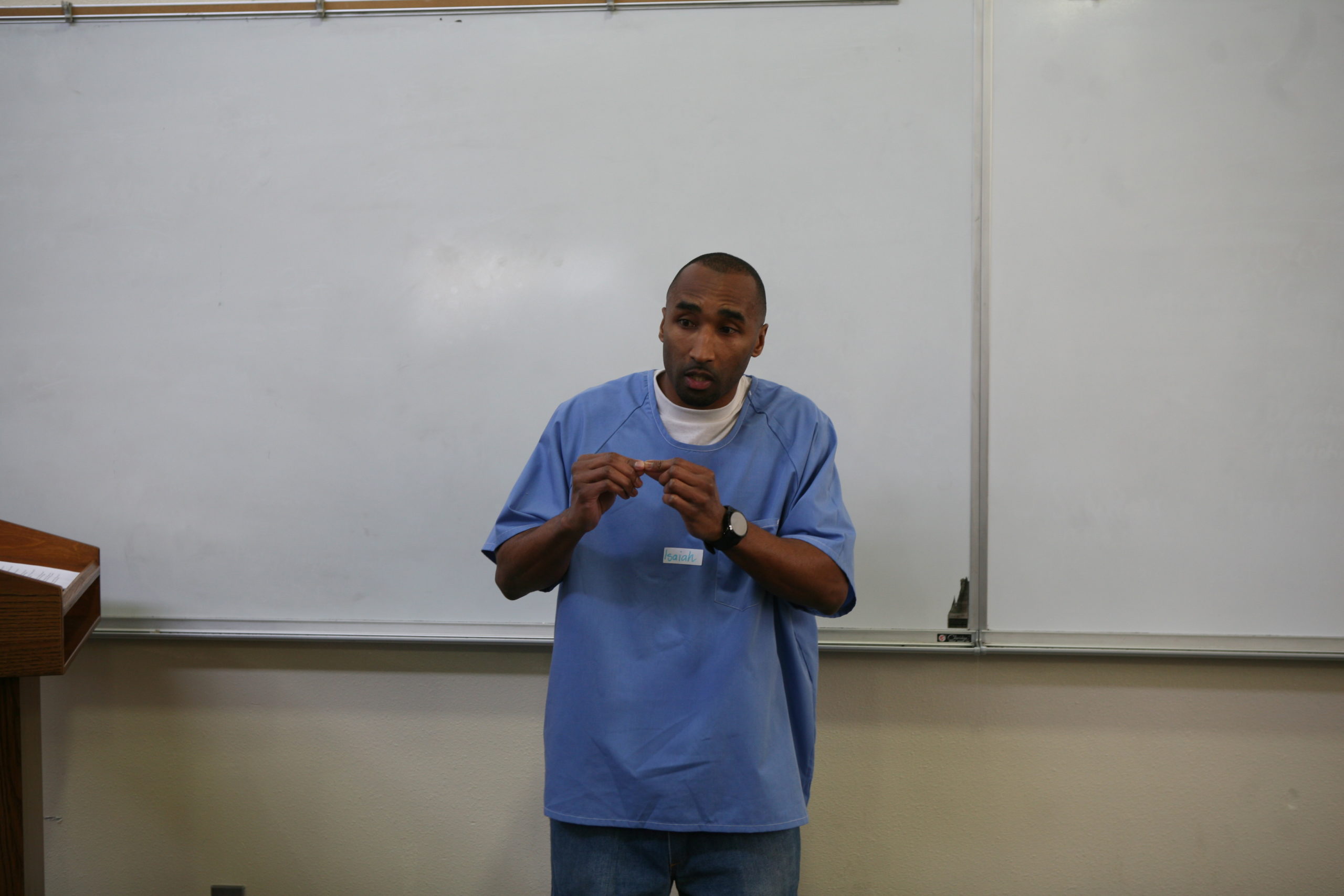
Love argues that prisons should be transformed into academies for higher education and for building new, pro-social habits. This culture would help incarcerated people change their lives and adopt new habits during their time in prison, which, in turn, would allow them to succeed in the community upon release. Orienting correctional institutions around cultural and behavioral transformation would mean providing opportunities for all incarcerated people to access high quality higher education, to develop and maintain new habits, and to create new identities.

Michael Mackey
Mackey’s proposal involves reforming how the justice system interacts with and treats people with mental illness. He believes that the current system does not address the needs of people with mental illness sufficiently. Access to assessment, treatment, and (when necessary) referral for mental illness (including substance use disorder) should be a part of the general health services available to all incarcerated people. People with mental illness in prison, he says, should have access to the same types of psychotropic medication and psychosocial support as people in the community outside of prison.

William Merlen
Merlen proposes a program to help address and heal feelings of social inadequacy that are common among incarcerated people and that cause real harm to their ability to heal, develop supportive social networks, and re-enter the community successfully.

Lonnie Morris
Far too often, the criminal justice reform agenda is created without sufficiently utilizing the specialized knowledge and lived experiences of currently incarcerated men and women. In order to remedy this problem, Morris proposes to conduct a series of workshops on criminal justice reform strategies and priorities (entitled “Resetting the Criminal Justice Reform Table”) for philanthropists, businesses, community based organizations (CBOs), judges, lawmakers, district and defense attorneys, law enforcement and other drivers and influencers in the criminal justice reform movement. These workshops would bring the perspective of currently incarcerated people “back to the table” and allow them to help shape more inclusive, meaningful, and sustainable criminal justice reform policies, strategies, and priorities.

Rahsaan Thomas
Thomas seeks to fund a new project of Prison Renaissance, which is an organization that Thomas co-founded that uses art to support the healing of incarcerated people and to connect them to the wider community. This project, called We Rehabilitate Us Program (WRUP), would create opportunities for incarcerated artists to collaborate with outside artists. Although rehabilitative programs like art therapy are proven to reduce recidivism, CDCR inconsistently maintains art programs. Unlike CDCR programs, which rely on state funding, outside funding and collaboration with volunteers would enable WRUP to pursue its goals free from bureaucratic constraints. Through WRUP, Thomas envisions a future of reduced disciplinary infractions in prison environments. He hopes WRUP will serve as the catalyst to create mentorships and collaborative relationships between incarcerated people and communities outside, financially empower artists by producing three journals a year that pay artists for their work, and reduce recidivism rates to zero for program participants.

Jesse Vasquez
Vasquez writes, “Relatively few people adversely impacted by public policy are involved in the decision-making process. The vast majority of inner city Americans, especially black and brown people, are at a disadvantage in the public arena because they lack knowledge of the governmental framework that regulates how bills and ballot measures become law. Few of them know whom to address their concerns to and the rest of them assume that no one will care enough to listen.” He proposes the funding of a “Civic Empowerment Program” designed to strengthen socio-political bonds by providing everyone with a platform of political expression. Through a program serving middle school, high school and college students, as well as others eager to learn, Vasquez envisions an education infrastructure bolstering the US democracy and engagement within it. This infrastructure will increase civic engagement and, therefore, hold the capacity to transform the current criminal justice system.

Charles Williams
Williams proposes funding for a holistic rehabilitation program for people ages 35 and older who have been incarcerated for 15 years or more. The main components of this program would include: mental health professionals guiding participants through confrontational therapy and coping skills, developing a mechanism of community responsibility that clusters participants into accountability groups, and an investment in each participant to support their successful transition into society. Williams further proposes that the Mental Health Department play an integral role in both developing the curriculum and providing adequate psychological evaluation of incarcerated persons prior to their release. If funded, Williams believes that this initiative will serve as a holistic approach for incarcerated people who are preparing for their release to successfully reintegrate into society with minimal barriers.

Van Wilson
Wilson proposes an alteration to CDCR policy in order to allow incarcerated people to own and use cell phones. He believes that providing access to cell phones would promote the independence, self-reliance, self-esteem, and community ties of incarcerated people. Opponents of this idea claim that incarcerated people would use cellphones behind walls to invite criminal activity. Wilson envisions a cellphones-behind-walls policy that works for everyone and improves public safety; calls would be monitored via authorized ID codes and the provider would be equipped with technology that prevents incarcerated people from accessing sensitive information. A working policy has the potential to eliminate unauthorized cell phone contraband and protect public safety, while improving self-esteem, self-actualization, and family and social ties for incarcerated people. The value of providing an outlet for self-expression and connection would be seen in the increased safety of CDCR institutions and smoother re-entry when people leave prison.

Phoeun You
You proposes the creation of a 13-week seminar on the causes and impacts of, coping mechanisms for, and strategies for healing from trauma led by incarcerated facilitators for prison staff and volunteers. This “Trauma Academy” would aim to build empathy, cultivate a deeper understanding of personal traumas, guide healing and uncover coping skills. Funding for the seminar would help pay for facilitation fees as well as marketing materials, a website and workshop training. You believes that once the pilot program achieves success at San Quentin, it can expand to prisons across the nation and include workshops for society at large. Processing, understanding, and healing from trauma is an important way to make communities safer. This seminar aims to both transform individuals’ lives and make prisons safer and healthier for staff and incarcerated people alike.

Please note that the Prison University Project became Mount Tamalpais College in September 2020.

Filed Under: Academic Writing, Academics, Campus & Community, Campus Events, Conferences, In the Classroom, Open Line, Partnerships, Research & Outreach

My Past, Present, and Future Experiences in Education

April 9, 2018 by Mt. Tam College

I began my primary education in 1965, in the public school system of Tuscon, AZ. I was taught the Three Rs: arithmetic, reading, and writing. In junior high school, I showed promise in my athleticism, so my teachers did not push me academically. When I entered high school, I used my muscles from the neck down, because that is what seemed to be required of me. I was a mediocre student when it came to studying any part of the curriculum in high school. In fact, all I had to do was show up for class.

At the tender age of 16, I had two devastating tragedies. The first event: my mother passed away from open heart surgery and I did not handle her death well. I had one foot in school and the other foot in the school of hard knocks (sidewalk high school). The second event: I totaled a car and messed up my right foot and left knee. I was in a lot of pain (mentally, physically, and spiritually). I began self-medicating with alcohol and licit or illicit drugs to dull my senses. I spiraled out of control and eventually ended up in prison. There were some vocational trades being offered, but most of them were obsolete. It was like being put on a shelf until the release date. I became a repeat offender for the lack of confidence and self-worth.

In 1993, I acquired a GED in prison, and yet I lounged in the CA Dept of Corrections (Rehabilitation was added in 2007). The CDC system had nothing to rehabilitate a person other than religious services and the library. I decided to take advantage of those subjects to rehabilitate myself by learning to speak Spanish, some Arabic, and man’s fallible laws.

I came to San Quentin at the end of 2011 and enrolled in the Prison University Project’s College Program. It took a little over two years to get called for an assessment for placement. I fared better in English than in math. I was placed in 99A to acclimate myself in the structure of writing. I found everyone in this program wanting to see us learn and succeed in the curriculum as well as in life. I have a fever/spark that has been ignited and there is no rest for the weary — I have learned quite a lot of things about world views and most importantly myself.

I am grateful for this opportunity because it has changed me from a cocky individual to a self-assured individual. My extended family can hear and see a different person today. I have a deep appreciation and gratitude for everyone who sees the need to educate and reform what seem to be society’s “throwaways.”

Filed Under: Academic Writing, Creative Writing, Open Line

Biology with Lab

March 13, 2018 by Mt. Tam College

One of the most observable transformative moments for me is my first experience giving an oral presentation on “HIV Latency,” an independent research project of my choosing, because of my nerves, courage, and the intellect it took to give an oral presentation, which I didn’t think I possessed.

I enrolled in “Biology with Lab” in the summer of 2014. Going into it I didn’t know what to expect. Listening to the instructors outline expectations for the semester, I was somewhat relieved at the prospect of having to focus my attention on a mere single topic of my choosing. Using research material provided by the instructors, I was required to write a thesis and ultimately give an oral presentation at the end of the course on my findings. Taking for granted that my final work and oral presentation was due at the end of the course, I didn’t think much about what it would be like to give an oral presentation in front of an audience. Consequently, when choosing my research topic, I chose HIV latency — a complex issue at the heart of cutting-edge AIDS research because of the absence of data around the world about the persistence of HIV in the human body. According to the material provided by the instructors, current work suggests that small numbers of AIDS-causing viruses go into “latent” periods in infected individuals. Since latent viruses are not easily detected using traditional diagnostic procedures, an individual may be considered virus-free. Unfortunately, these latent viruses can start infecting the immune system again later in life with grave consequences. This process is called “virus activation” and is poorly understood.

I was nervous when I hear my name called. For the first time in my life, I was expected to get up in front of an audience of about 30 people that includes fellow inmates, outside spectators and biology professors, to give an oral presentation on an issue that 12-weeks earlier I knew very little about. Spending the entire semester conversing with fellow students, tutors, and biology instructor on the issue of HIV latency, I was feeling fairly confident that I knew much more about HIV latency than I did at the beginning of the course.

I’m transformed by the whole experience — the stress from the commitment to speak publicly; the ability to retain pertinent information learned throughout the course and to apply it to the issue of HIV latency and articulate in front of an audience; the shortness of breath doing my presentation; feeling like an idiot, sounding stupid; and the yearning for all of it to be over and done with.

At the end of my presentation, in spite of applause by fellow students, outside guests and course faculty, I felt mediocre about my presentation. In fact, it wasn’t until I receive my final grade for the semester — “A+” — that I begin to believe that with the support of the many wonderful people involved in the college program, I can do this! I can give an articulate oral presentation in front of an audience.

Filed Under: Academic Writing, Academics, In the Classroom, Open Line

Dungeons & Dragons—A Life Changing Experience

August 21, 2017 by Mt. Tam College

The California Prison System has a significant obstacle in its efforts to rehabilitate its inmates: segregation. It occurs most frequently in the form of racial segregation. In his study of racial segregation in California Reception Centers, Philip Goodman states, “‘Race’ is one of the most important factors—if not in certain locales the preeminent factor—organizing and structuring contemporary American prison culture in men’s prisons” (Goodman, 2008). Race determines everything from what part of the yard a person uses for recreation, to whom a person lives in a cell with. Upon arriving at prison, one of the very first questions asked by the guards is: “Who do you run with, Blacks or Others?” As time passed I learned that besides race, people were segregated by other factors like geographical origin or gang affiliation. Along with these types of segregation was unwritten but violently enforced (by inmates, not guards) rule that certain groups of inmates are not allowed to associate with other specific groups. In general, Blacks cannot socialize with Whites; Whites cannot socialize with Northern Hispanics; Northern Hispanics cannot socialize with Southern Hispanics; Southern Hispanics cannot socialize with Blacks; and so on.

After years of everyday practice, the negative behavior of segregation becomes ingrained in inmates with Pavlovian efficiency. The statistics show that of the inmates currently incarcerated, approximately 95 percent will eventually be released (Hughes & Wilson, 2002 ). If inmates take this behavior back into society, it does society further harm beyond the crimes the inmates have committed.

How can we overcome this obstacle? During my incarceration, I have found one possible and viable solution: Dungeons & Dragons. Dungeons & Dragons (hereafter D&D) is regarded by many inmates as one of the few acceptable multicultural social activities in prison (exceptions being prisons with the highest level of security and inmates fully immersed in gang affiliation). While not all inmates play D&D, those who play can do so without violently enforced retaliation. The purpose of this paper is to show how D&D can be used as one solution to segregation in prison. Specifically, the questions this paper answers are: 1) How do the participatory practices of D&D promote healthy social rehabilitation for the incarcerated; and 2) How can its effects be optimized and broadened to be used as therapy for the soon to be released? I will first explain the relevant areas of D&D and then I will show how D&D has more value than just entertainment.

D&D is a fantasy based Role-Playing Game (hereafter RPG) in which a group of participants use collaborative efforts to overcome a myriad of challenges like rescuing a kidnapped princess or defeating a tyrannical ruler. Although D&D is not the only RPG available, it is the original RPG. In Corey Walden’s thesis on the practices of D&D, he quotes M. Tresca about the influence of D&D. Walden states, “Many digital RPGs have been directly inspired by D&D, including Asheron’s Call, Boldur’s Gate, Bard’s Tale, … and World of Warcraft” (Walden 3-4). Many of the concepts and rules of D&D are found throughout these and other popular RPGs making D&D the most universally recognized game by those who play.

The interesting thing about this game is that diversity is the key to success. Each participant, or ‘adventurer’, creates a character from one of the various ‘classes’ available. The character becomes the means of expression for the adventurer, and determines the boundaries by which the role can be played. These classes are derived from one or more different types of characters. The four major types are: 1) Spellcasters who control the battlefield with their mastery of the arcane arts, like a ‘wizard’; 2) Scoundrels who disable traps or con their way past the guardsman of the drawbridge, like a ‘rogue’: 3) Healers who save the adventuring party by channeling primal energies or with their devotion to the divine, like a ‘cleric’: 4) Warriors who are the strategic combatants and the party’s shield against imposing danger, like a ‘fighter’.

Along with character classes, another important option D&D provides is ‘race’. There are not only different cultures and personalities with a single race, as with actual human beings, but there are a number of races of beings. The core races are dwarf, elf, gnome, half-elf, half-ore, Halfling, and human. Each race, and each culture and/or region of geographical origin, brings with it its own pros/cons and unique perspective that affects the character role chosen by the adventurer. For example, mountain dwarves have a racial hatred for goblins and ores (These are two of the evil races and, in many instances, the ‘enemy’ in the adventures). This gives mountain dwarves a bonus to combat these races, but this hatred could be a hindrance if a dwarf had to work with a goblin for the greater good. Alternatively, the hatred does run that deep in hill dwarves and they are merely unfriendly towards them.

The game sessions for D&D are run by a Dungeon Master (hereafter DM). S/he does not make choices for the players. The DM is a rules arbitrator and storyteller, a neutral guide.

D&D combats segregation by presenting a different perspective on the very thing that people use as a reason to segregate: the difference of others. The game sessions of D&D require diversity not only with classes, but also with race. The adventures are formatted in a way where different people and different skills are needed at different times to complete them. For example, a party of all fighters might do well in the combat scenes, but they would suffer when it came to social situations or intellectual challenges. In addition, no one knows what race of being the party may encounter that leads to the next stage of the adventure. If the party cannot be represented by someone who can be seen as friendly to that individual, the adventure may end prematurely.

About six years ago, my friends and I were starting a new adventure at a prison in San Luis Obispo when someone walked up and asked to play. At first we were hesitant because he, a white inmate, had clearly visible tattoos that indicated that he was at one time involved in violence against black inmates. The DM pulled me aside and said, “I think we have an opportunity here. I believe he wants to make a change in his life or he wouldn’t be willing to play with you on the yard where everyone could see. If you’re not cool with this, he’s out. If a problem occurs between the two of you, he’s out. But I think we should play the game because we have a chance to make a real difference in someone’s life.” Reluctantly, I agreed. The DM asked me to play a dwarf and asked the other guy to play a half-ore. In effect, the DM wanted me to play the racist and wanted the other guy to play someone whose only crime was being born.

During the adventure, between in-game dialogue and sidebar conversations, we actually became good friends. We talked about how the segregation in prison made us feel and why we felt the way we did. Sometimes we even played out some of the scenarios we discussed in our game, but with the unique perspective of being in each other’s shoes. Plus he played a thief whose skills and cunning were needed to get us out of numerous sticky situations. I played a cleric whose moral fortitude kept us focused on completing our goals without sliding into spiritual abyss. We could not have succeeded without each other.

Our experience did indeed have a profound effect on his life. He gave up his old ways and made many friends of other races before his tragic death from heart complications. Near the end, when he knew it was time to say goodbye, he chose to spend his final weeks playing as much D&D as possible.

The differences that segregate people in real life are fundamental to D&D, thereby making cooperative diversity mandatory for game advancement. Even though these are imaginary characters they are controlled by real people who must accept this diversity in order to play the game. As Walden notes, “Mechanically and philosophically, the flexibility of D&D continues to allow participants the ability to negotiate issues of conflict, violence, and moral uncertainty”. In other words, between the dialogue that develops amongst the adventurers during gameplay and the outside-the- game conversations that inevitably take place during breaks, D&D is a vehicle that allows for people to discuss and navigate their way through the real life problems presented in the game. D&D gives some the opportunity to voice their objections to certain situations, and others the opportunity to combat stereotypical judgments while in the safety of a game environment. In my 28 years of RPG experience, I have found that most people find it easier to express themselves when they have the buffer of ‘make believe’ that is associated with gaming. The buffer grants a person a pipeline to situations that are too personal or sensitive to discuss in direct conversation.

The next step in the rehabilitative process is developing bonds. Merely putting people together is not enough. However, D&D has the tools to promote social growth. Walden says, “RPGs fit the criteria for modern-day ritual, as they draw on mythology and archetypal symbolism – creating social bonds through community, and allowing for co-created epic narratives to occur in the process,” (Walden 17). Through dialogue, and the rite of passage of cooperating to overcome adversity, the adventuring party builds a communal bond. Combined with primary function of any game, which is fun, D&D becomes a potential tool for social rehabilitation.

D&D can then be optimized, changing from a potential tool to an effective tool. First, the DM must have training in psychology, sociology, and conflict resolution. S/he must also be someone from outside the prison system. As controversial situations arise and are resolved, the DM could use proven methods in these areas to discuss with the players what exactly occurred-beyond the surface of the circumstance- and how it could have been better resolved with a rehabilitative focus. With two or three volunteers with similar training as assistants to the DM, there could be one-on-one sessions with the adventurers for more personal and in-depth rehabilitative therapy.

Second, play the game in a way that positively reinforces behavior that advances the adventurer towards the desired rehabilitative goals. For example, reward the party when it resolves potential conflict without combat or when the party accepts one of the enemy races as a fellow adventurer. A system based on the repetition of positive behavior can be used to fight Pavlov with Pavlov. The focus here should be on restorative justice, working towards fixing the problem, rather than punitive justice- which we are already experts in.

The purpose of the optimization is to give each adventurer the opportunity, and the stage, to express whatever turmoil that is within the individual, while having professional help observe and guide the adventurer along the path of rehabilitation. If a stimulus provokes a response that exceeds what is deemed acceptable by societal Jaws, then the individual is a danger to that society. At this time, no medium exists to measure and inmate’s proclivity for violence besides a psychiatric review that depends largely on the honesty of the inmate. If D&D is played in the optimized way, the professionals could better gauge whether or not an inmate still poses a danger to the society s/he is about to be released to. Does the inmate, more often than not, respond to a situation with combat when diplomacy will do? Does the inmate unnecessarily kill a clearly defeated foe? These and other hallmarks could be used to tailor make a specific rehabilitation program for each inmate. Optimized D&D addresses not only segregation, but also its violent responses. Lastly, not one of the many self-help groups available in the California Prison System is dedicated to repairing inmates’ social skills.

Allowing men and women to be released back into the Divided States of America with a segregationist attitude is not acceptable. Doing so would be adding fuel to the fire. Something must be done. D&D is a push in the right direction. The basic elements of D&D, cooperation and community should be the exact ideals instilled into society’s failures. Along with paying for a crime, a person bettering her/himself should be the desired outcome of a prison sentence. The availability and accessibility of D&D are the perfect opportunities for a person to spend their time in prison wisely and productively.

WORKS CITED:

  • GOODMAN, PHILIP. “It’s Just Black, White, or Hispanic: An Observational Study of Racializing Moves in
  • California’s Segregated Prison Reception Centers.” Law & Society Review 42.4 (Dec. 2008): 735- 770 Print
  • HUGHES, T & D.J. WILSON. Reentry Trends in the United States. Washington, D.C.: U.S. Department of Justice, Bureau of Justice Assistance, 2002

Filed Under: Academic Writing, Open Line

mtc seal

Contact Us

PO Box 492
San Quentin, CA 94964
(415) 455-8088


Please note: Prior to September 2020, Mount Tamalpais College was known as the Prison University Project and operated as an extension site of Patten University.


Tax ID number (EIN): 20-5606926

Quick Links

CONTACT US
CAREERS
PRESS KIT
ACCREDITATION
PUBLICATIONS
DONATE


Join Our Mailing List

© 2025 | Mount Tamalpais College | Photography by RJ Lozada | Design & Development by //DESIGN AGENCY//

  • About
    ▼
    • Mission & Values
    • Staff & Board
    • Accreditation & Institutional Research
  • Academics
    ▼
    • Admissions
    • AA Degree
    • College Prep
    • Faculty
    • Apply To Teach
  • Students & Alumni
    ▼
    • Students
    • Alumni
    • OpenLine Literary Journal
  • Resources
    ▼
    • Practitioner Support
    • Resources for Incarcerated Students
    • Research on Prison Higher Education
  • News
    ▼
    • Top MTC Stories
    • Recent Press
    • From the President
    • Commencement
  • Give to MTC
    ▼
    • Donate
    • Shop