• Skip to primary navigation
  • Skip to main content
  • QUICK LINKS
    • CONTACT US
    • CONNECT
      WITH US
    • FACULTY APPLICATION
    • PUBLICATIONS
    • PRESS KIT
    • CAREERS
  • About
    • Mission & Values
    • Staff & Board
    • Accreditation & Institutional Research
    • Careers
  • Academics
    • Admissions
    • AA Degree
    • College Prep
    • Faculty
    • Apply To Teach
  • Students & Alumni
    • Students
    • Alumni
    • OpenLine Literary Journal
  • Resources
    • Practitioner Support
    • Resources for Incarcerated Students
    • Research on Prison Higher Education
  • News
    • Top MTC Stories
    • Recent Press
    • From the President
    • Commencement
    • 2026 Gala
  • Give to MTC
    • Donate
    • Shop

Mount Tamalpais College

Campus & Community

I Ran a Marathon in Prison

January 15, 2019 by Mt. Tam College

Prison University Project student Steve Brooks reflects on running a marathon in prison. His story is one in a series of oral histories that Voice of Witness has collected through collaborative storytelling workshops with Prison University Project students.

It was November 17, 2017. A day without glitz and glamour. No roaring crowds. No motorcycle cops. No streets and no scenic route. But that day there was a film crew filming a documentary about the San Quentin 1000 Mile Running Club— the only marathon running club for prisoners in the nation.

The club has been around for about a decade but I joined when I arrived at San Quentin in 2016. I was attracted to the idea of running a marathon. I wondered if I could do it. Then I decided to prove to myself that I could. I started training almost immediately. I trained for a whole year. Something I’ve never done before for any reason.

When Friday November 17 finally came I felt like I was ready. I ran with 24 other club members. We ran in a not so perfect circle, in the middle of the four acre square lower yard— on a track roughly 400 meters. My goal was to go round and round without stopping for 105 laps— the equivalent of 26.2 miles.

It was a perfect day to run a marathon. It was sunny, but cool— 65 degrees. And I felt good even though I was running on dirt, gravel, asphalt, and small patches of grass. I ran between 2 green spray painted lines about 5 feet apart. They were cordoned off by orange cones meant to keep pedestrians out of the lane.

The running course had a slight hill members called “the gauntlet” because it got worse every lap. This led to an unevenly sloped bend curving left towards a health clinic, guard shack, inmate urinals and some water fountains. The track then curved left again back down a slight hill.

I ran past huge walls, gun rails and barbed wire fencing, before entering back onto the straightway where the race began.

The scenery was drab. I ran past a makeshift laundry room where inmates were exchanging their laundry. I passed a baseball field but there was no game. I ran past inmates playing horseshoes and basketball. And I saw inmates doing pull-ups, dips, and push-ups. There were many inmates also walking along the track, veering in and out of our lane, as we ran. Some of them were dressed in blue with the words “CDCR Prisoner” painted bright yellow across their backs. There were flocks of pigeons, seagulls and geese taking off and landing like planes all around me. I mostly stared at the ground however, in deep concentration. Every now and then I would look up and see the clear blue sky. I was going nowhere fast and the pain was settling in.

By mile 13 I was completely exhausted. My legs were heavy. My breath was shallow and I was drenched in sweat. I knew then that the last 13 miles was gonna be like a death march— a crucifixion. Many times I wanted to quit. People were dropping out all around me. But I kept going.

I was 200 pounds. I was wearing heavy white shorts and an oversized grey T-shirt. I was punishing myself, restructuring my anatomy. My shins were sore. My knees were starting to feel dislocated and my pelvic bone felt shattered.

I got angry at my lap counter because I thought he was missing my laps. I was frustrated because people kept handing me water when I needed electrolytes. Electrolytes when I needed water. Then the cup kept missing my mouth. I ate so much Sugary Goo (energy booster) I got nauseous.

Then, there were two emergency alarms where I had to completely stop running and sit on the ground, until the alarms cleared. Luckily they only lasted five minutes but long enough for my joints to stiffen. When I finally got up to run again bones were grinding against bone.

Eventually I began to wonder, why? Why would I take the pain of being in prison with a life sentence and couple it with the pain of running a marathon? The closer I got to the finish line the further it got away. My only energy eventually came from cheers, applause, pats on my back. But I was broken, limping, and in pain.

I wanted to challenge myself. I wanted to do something few people did in my life. I wanted to discover how much pain I could actually take, I guess. I experienced a lot of pain but also freedom, comfort, and peace. I found a parallel universe— a spiritual realm. But I also think I found what I craved most in life— redemption. I finished the marathon in 4 hours and 12 seconds.

Attribution: This article originally appeared in the Voice of Witness blog on January 15, 2019.
Read Story

Please note that the Prison University Project became Mount Tamalpais College in September 2020.

Filed Under: Campus & Community, Campus Events, Current Affairs, Open Line, Perspectives, Published Works

Introducing Our New College Preparatory English Program Coordinator: Deirdre Judge

January 11, 2019 by Mt. Tam College

We are thrilled to welcome Deirdre Judge as the new College Preparatory English Program Coordinator. Deirdre’s job duties will include: placement and management of English College Prep volunteers, student assessments, development of new student orientation and other student resources, and syllabus and curriculum development. The College Prep Program serves over 225 students annually, and on average, students spend two years in the program before advancing to the credit level courses.

Deirdre has dedicated their career to facilitation and curriculum design according to critical pedagogy. They believe in education as a strategy for freedom. Prior to coming to the Prison University Project, their experiences included teaching a feminist reading group in a women’s state prison, training educators, and tutoring high school and college writing. They hold an MA in Educational Studies from Tufts University. Deirdre loves speculative fiction and is almost always in the mood for homemade chocolate chip cookies.

Please note that the Prison University Project became Mount Tamalpais College in September 2020.

Filed Under: Announcements, Campus & Community, MTC News, People

Remembering Jane E. Kahn

January 8, 2019 by Mt. Tam College

We are sad to announce the passing of Jane E. Kahn, a dear friend and supporter of the Prison University Project. Jane dedicated decades of her life to fiercely protecting the wellbeing and dignity of people incarcerated in California and beyond, and set an example for the world of a life filled with compassion, generosity, and meaning. We will miss her terribly and her spirit will be an integral part of our organization forever. An obituary written by Toby Rubin and published in The Jewish News of Northern California is included below:

The Bay Area Jewish community lost one of its brightest lights with the death of Jane Kahn on Dec. 26, 2018. She was 64. Jane was a model of tikkun olam in all aspects of her life, bringing her belief in the divine within all humans to her family life, her friendships, her work representing and advocating for the rights and dignity of incarcerated individuals, her volunteer leadership in Jewish and secular nonprofits and her philanthropy.

Jane was a fighter. She worked tirelessly on behalf of California’s prisoners, advocating for the civil rights of incarcerated persons with mental illness and other disabilities for decades. She believed that being incarcerated or without a home did not make a person less than human; she recognized the humanity of all around her. She fought against the indignity of homelessness with Religious Witness for Homeless and Hamilton House, against capital punishment with Death Penalty Focus, and for a brighter future for prisoners through Prison University Project.

Jane was also a lover. Her Jewish soul, bright smile, intelligence and tremendous compassion captured the hearts of people wherever she went. It was standing room only at Sinai Memorial Chapel in San Francisco on Dec. 28.

On her second day of college at Brandeis University, Jane met Michael Bien. From that day on, “Jane and Mike” or “Mike and Jane” seemed to be the only way to truly understand either of them. They both were raised in Jewish homes and raised their three sons, Ben, Max and Joey, in communities built through the JCCSF preschool, a family havurah, Brandeis Hillel Day School, Camp Tawonga, New Israel Fund, and Congregations Beth Sholom and Emanu-El. Jane was an active parent and volunteer at all institutions, including her leadership on the Camp Tawonga board.

Jane held Israel —its people and place — deep within her heart. Israel as a political entity became a painful challenge. In her remarks as co-recipient with Mike of the New Israel Fund Guardian of Democracy Award, Jane the lover and Jane the fighter came together. While others whispered to each other about the difficulty of talking about Israel with their young adult children, Jane shared the tensions within her own family. She believed that pushing out of our “tent” young adults who question and challenge the policies and practices of Israel regarding the Palestinian people is not the way to strengthen Israel or the Jewish people.

She always leapt to defend those she represented and those she loved.

Until the end, she took care of her enormous circle of loved ones. She faced her disease just as she embraced life. She showed us how to live each day as fully as possible, love fiercely, persevere whatever the obstacles. She dove into study, pursuing questions of living, dying, and the life of the soul. She wanted to be sure that not only she, but everyone she loved, would be ready for the moment that she’d be gone. She was remarkably brave and strong for over two years, right up until her last day. Jane prepared us for her death. Let us all be blessed by the lessons of her life.

Attribution: This obituary originally appeared in The Jewish News of Northern California on January 8, 2019.
Read Story

Please note that the Prison University Project became Mount Tamalpais College in September 2020.

Filed Under: Announcements, Campus & Community, Current Affairs, MTC in the News, MTC News, People Tagged With: Donors

Celebrating Student Expression at Open Mic Night

January 6, 2019 by Mt. Tam College

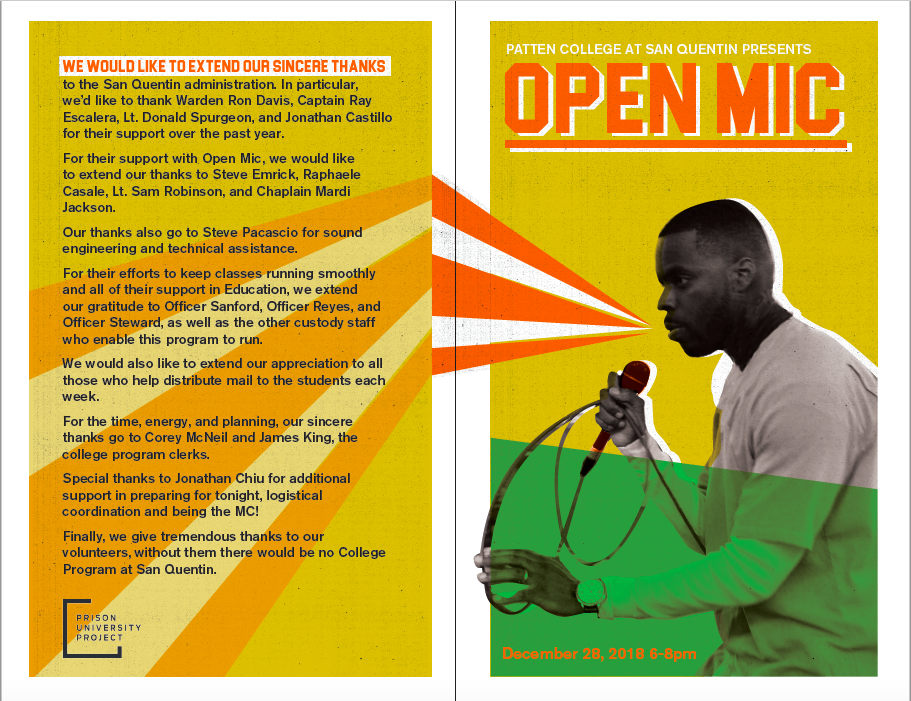
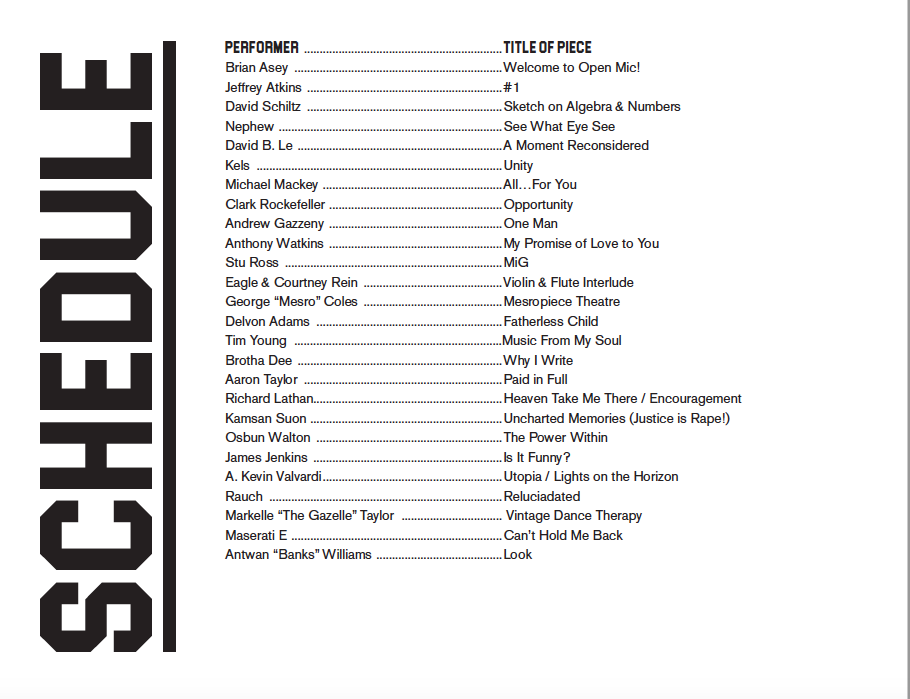
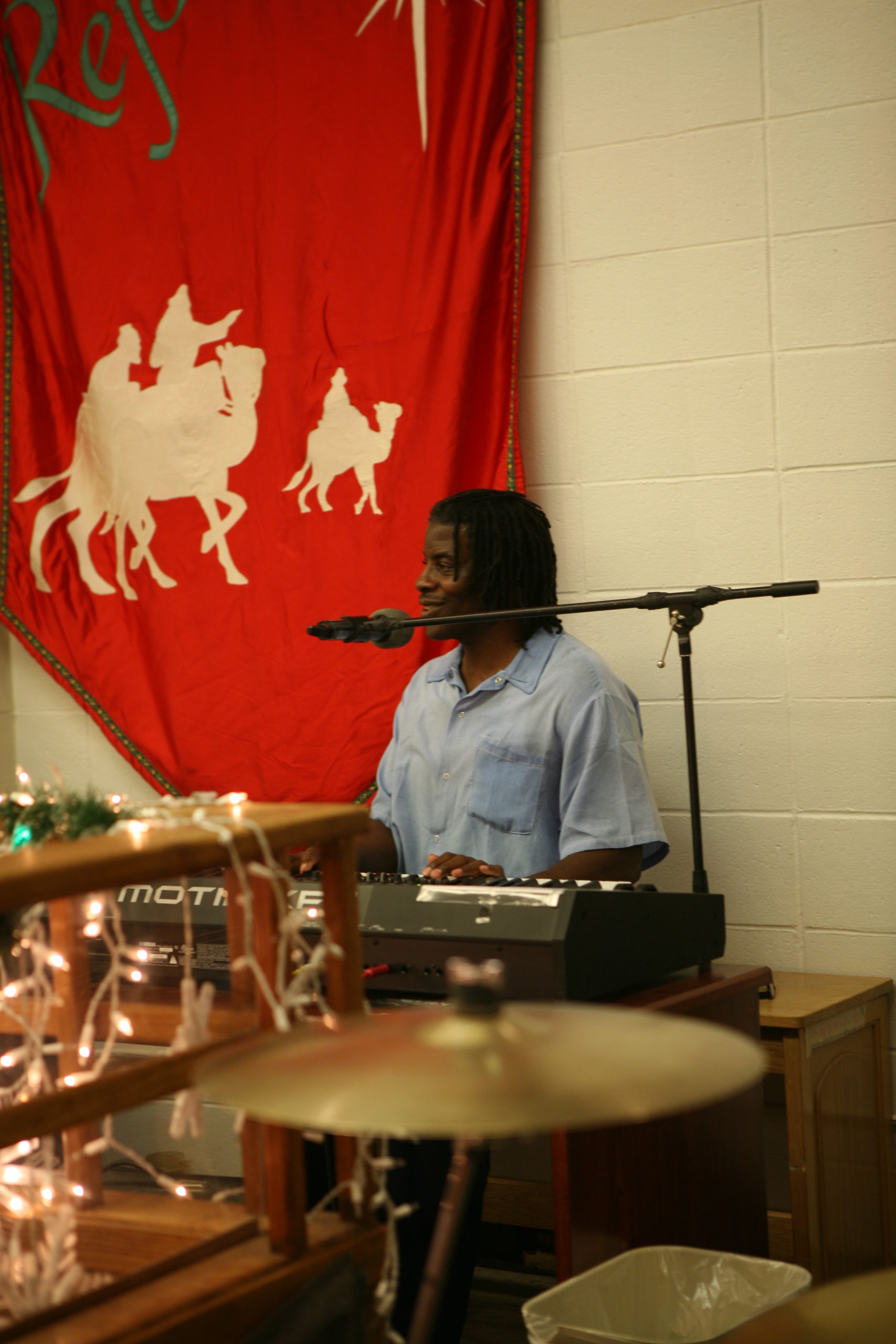
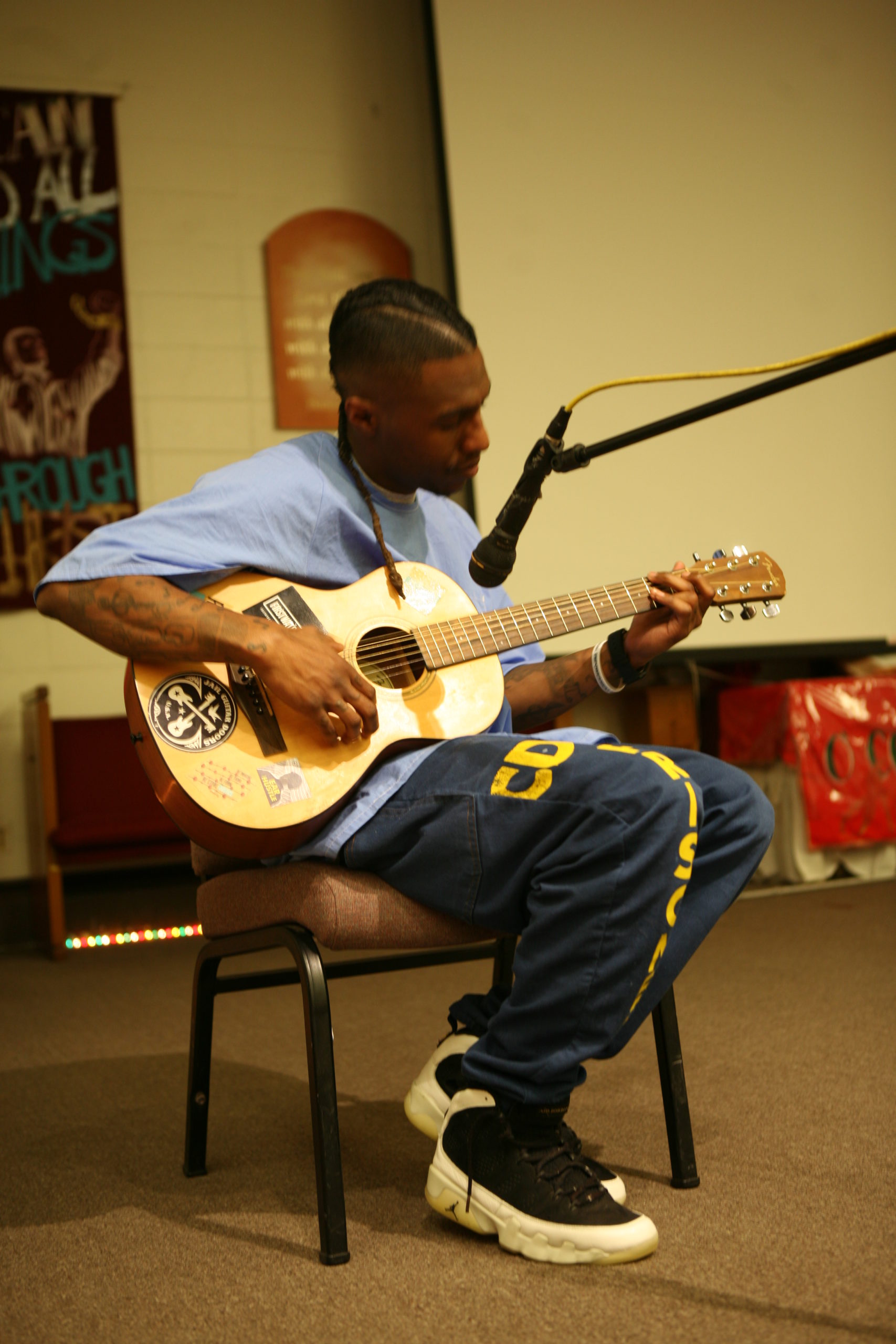
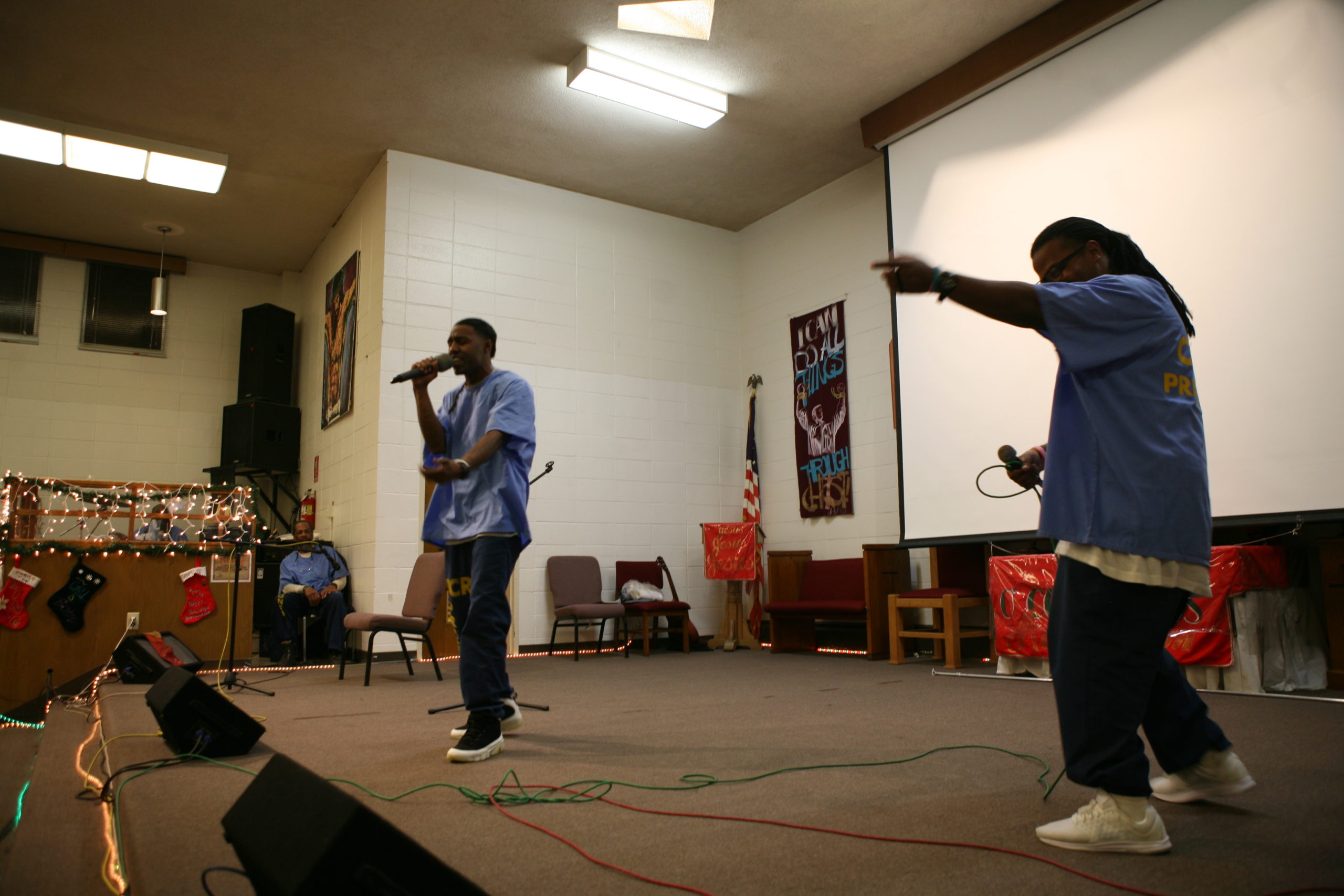
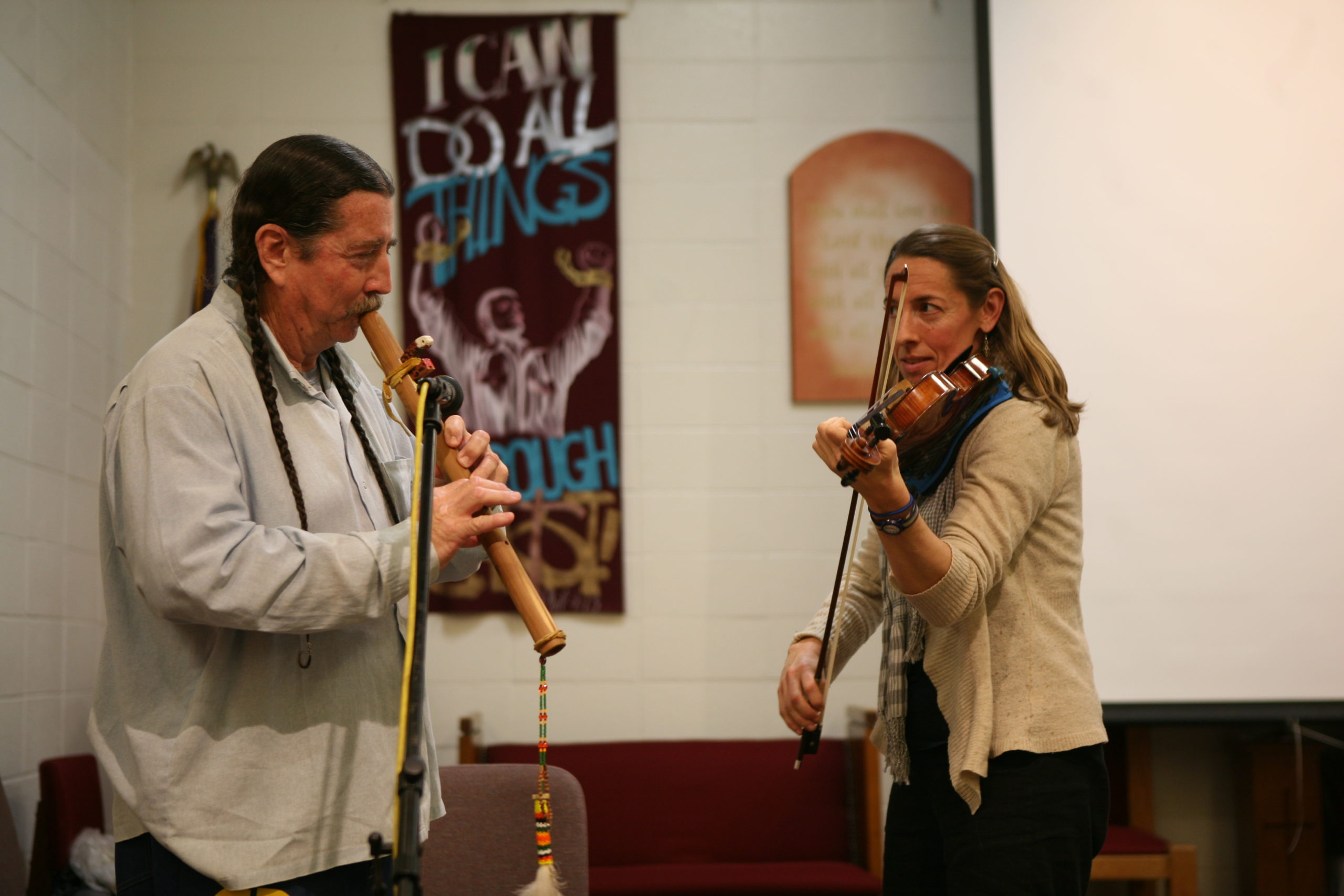
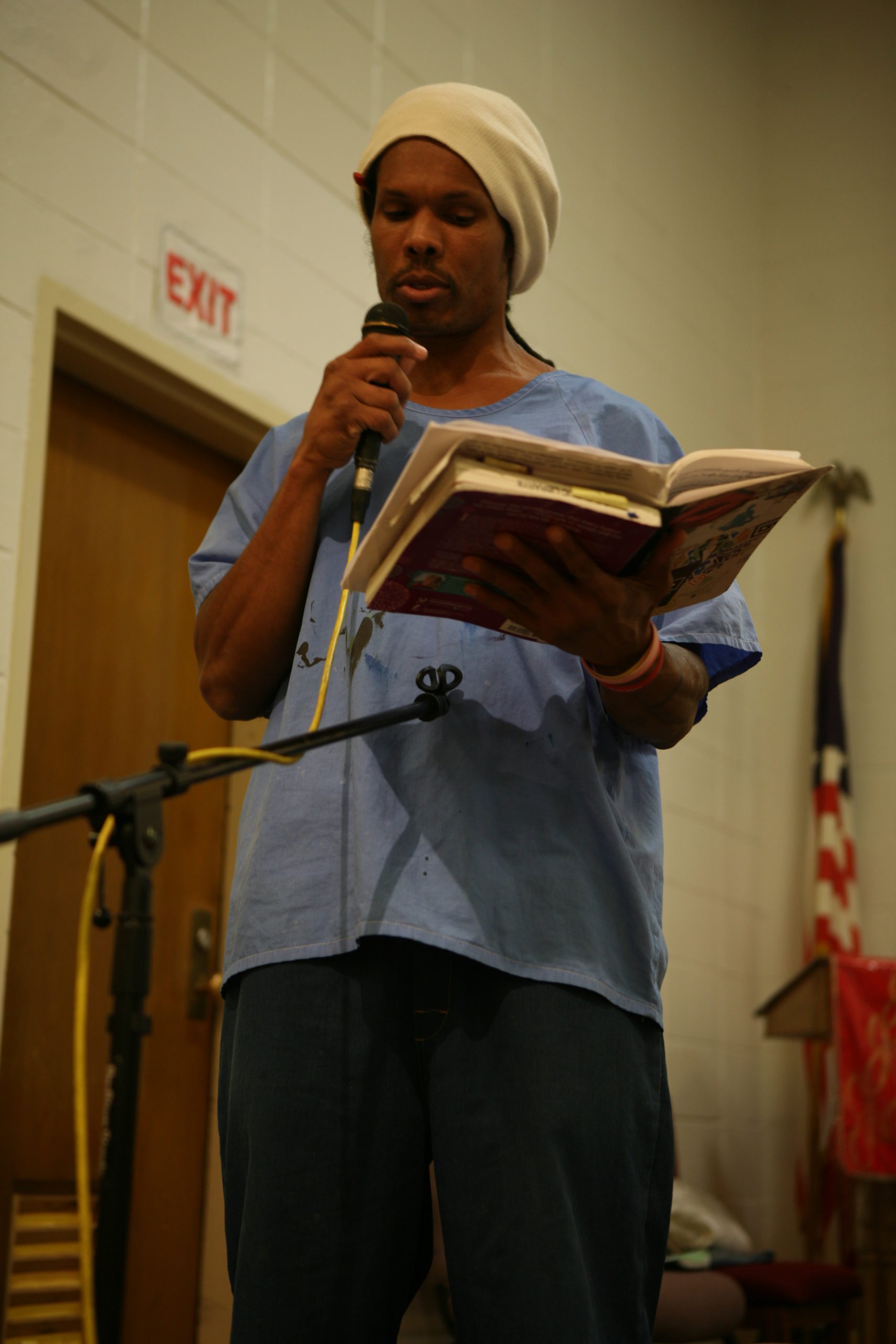
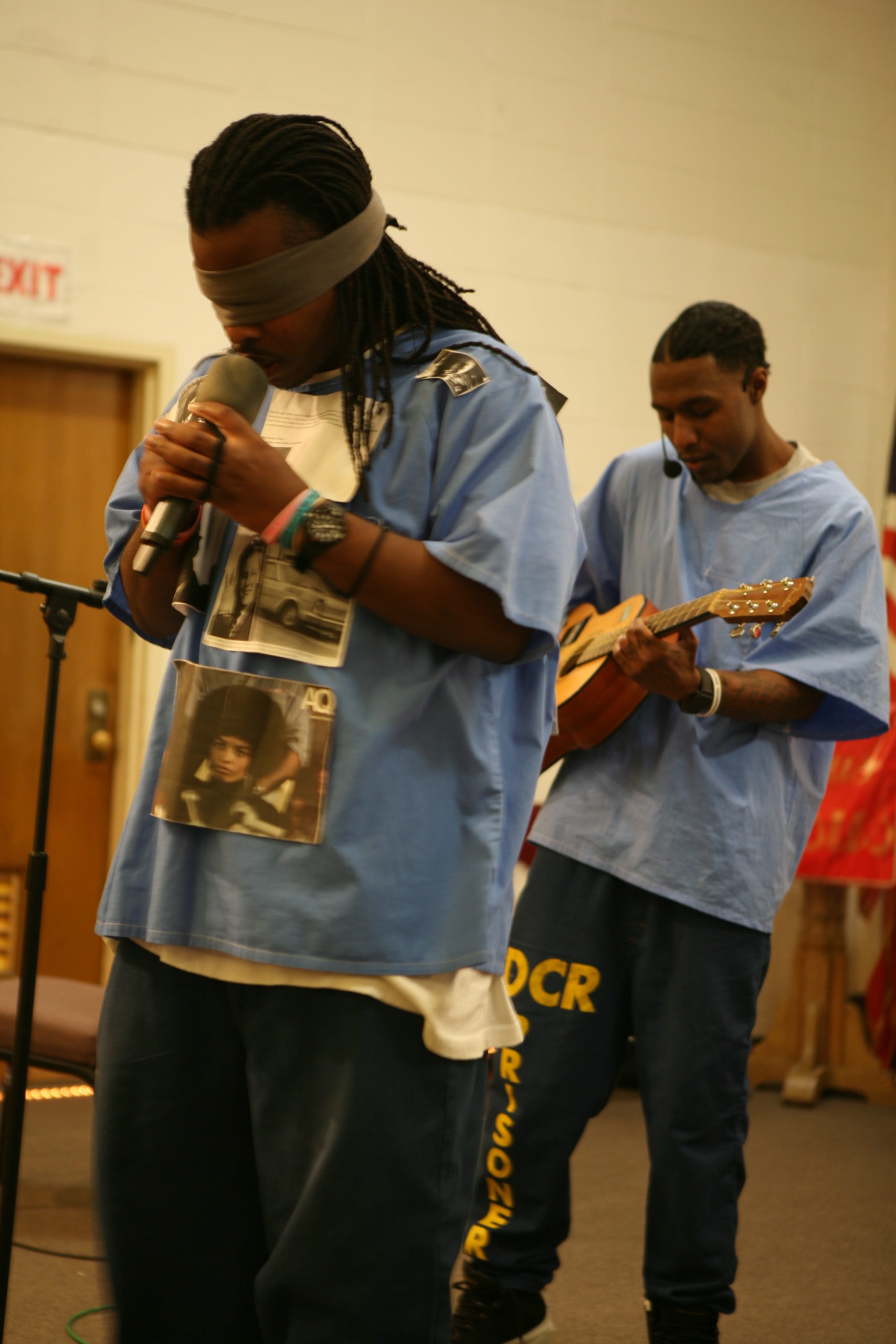
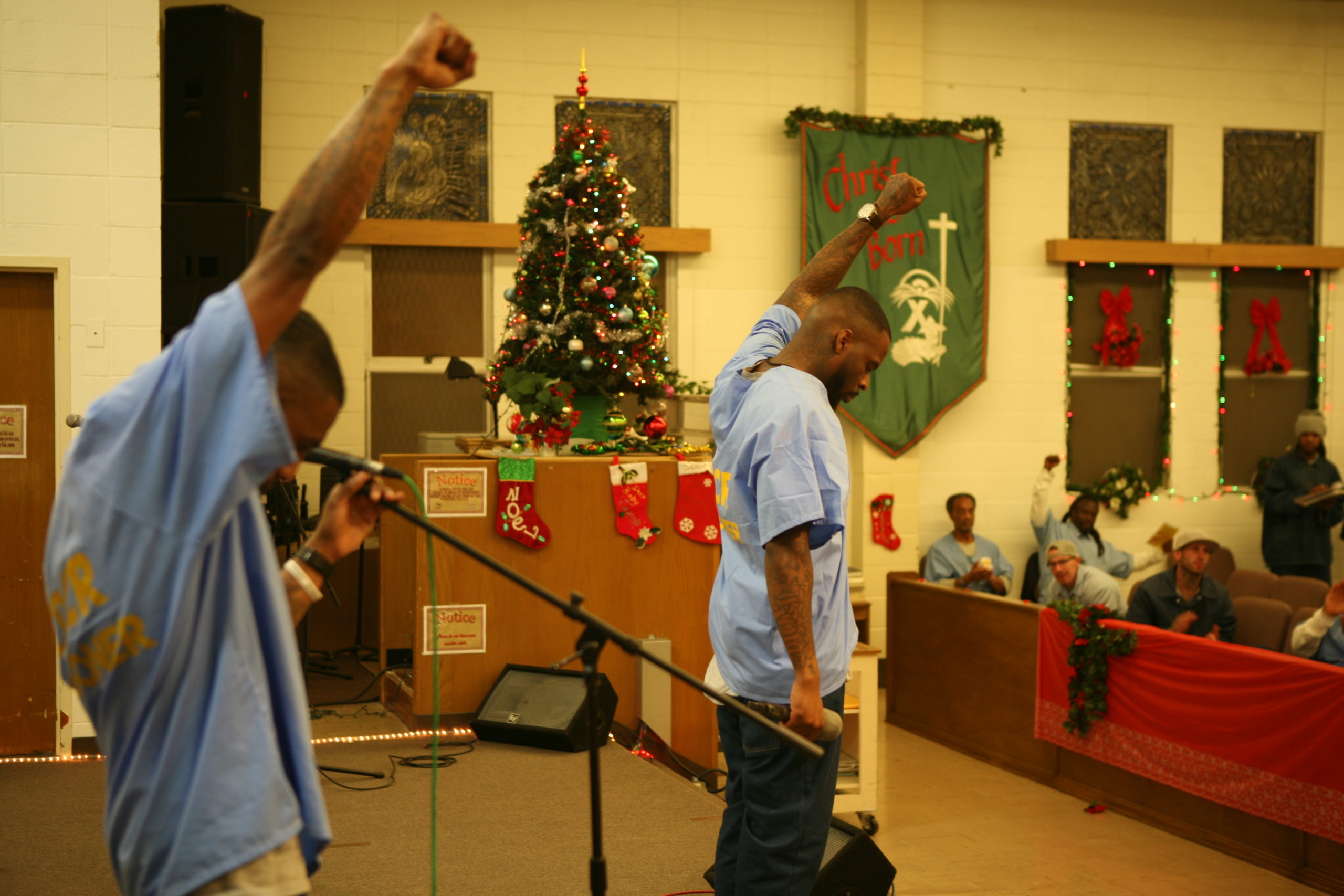
On December 28, 2018, the Prison University Project hosted its fifth annual Open Mic night in the San Quentin chapel and invited students to share creative work that they developed in class or on their own, such as poetry, dance, short stories, and music. It was a wonderful evening that showcased our students’ diverse talents and interests. Photos of the event and a copy of the program are included below.

Please note that the Prison University Project became Mount Tamalpais College in September 2020.

Filed Under: Campus & Community, Campus Events, Events, MTC News, Student Life

Reimagining Justice, Together

November 20, 2018 by Mt. Tam College

The Prison University Project is excited to partner with the Chan Zuckerberg Initiative (CZI) in its efforts to address systemic issues around criminal justice reform in the United States. As the funding landscape shows increased interest in tackling mass incarceration, Aly Tamboura, former Prison University Project student, current board member, and Manager of Technology and Program Delivery at CZI, has served as an important liaison between funders, programs, and communities most impacted by the criminal justice system. Watch him, and others, discuss CZI’s important work below.

To learn more about CZI’s approach to philanthropy and system change, read David Plouffe’s piece on the Justice & Opportunity initiative.

Please note that the Prison University Project became Mount Tamalpais College in September 2020.

Filed Under: Announcements, Campus & Community, MTC News, Partnerships

For Each Cage from Which I Break Free

November 1, 2018 by Mt. Tam College

Published in the November 2018 newsletter, which you can read in its entirety here.

My experience with the Prison University Project’s academic conference has been challenging, nerve-wracking, and exciting all rolled into one. Being that this was my first academic conference, it was a learning experience that I welcomed.

On this educational journey, I have discovered that I am more than a prisoner. I am bigger than the cages of racism, poverty, illiteracy, criminality, and prison that have held me captive, in one form or another, since the day I was born. I found that that for each cage from which I break free, my head is held a little higher, my back straightens a little more, my shoulders roll back a little further, and I become a little more dignified.

Now in the shadow of the Prison University Project’s academic conference, I am poised to break free of yet another cage. The I don’t feel like I quite measure up cage. This one I built for myself. I’ve been in it for most of my life. Now I am standing on the precipice of being free. But, at the thought of the academic achievements of those who surrounded me, I shuddered. My stomach churned. My heart raced. Again I was confronted by the am I good enough? cage. Will I fall on my face? I don’t want to do this. It is in this moment of doubt that I’m confronted with the reason I must push forward: the young African American man. His pants are hanging low. He greets me, “What’s up, my n***a, you got the time OG?” I cringe at the “N” word. I say to him, “It’s 9:30 youngsta.” I turn to walk away. Taking a look back to ensure he continues walking, heeding the old prison policy of “staying ten toes down at all times” (prison lingo and mentality for watching my back). As I catch a glimpse of him walking away with his head in the clouds oblivious to what the future holds for him, the moment becomes too real. I see myself in him.

It is 1992, I’m in Jamestown State Prison (Sierra Conservation Center). It is my first prison term. My head is in the clouds. I’m oblivious, unaware of the lives I would wreck and the 24 years that would pass in the blink of an eye as I walked yard after yard in prison after prison. I shake off the nostalgia and regret, with the intimate understanding it is for him and the future victims I hope are never created, that I wrote my conference proposal about social etiquette training as one of the tools needed to help young prisoners. I remember very vividly that the masks I wore were there to conceal my feelings of inadequacy and intimidation, while in the presence of those I had come to believe were somehow more than me. More what, I could not tell you, just more. But once I discovered those little niceties which fostered positive relationships, my confidence grew and so did my belief that I more than measure up to anyone and any challenge.

With this knowledge, I’ve come to understand and appreciate two sayings: to know better is to do better and with knowledge comes responsibility. Now that I know better, I am doing better. My intimate knowledge of the many problems within the judicial system makes me responsible for presenting a solution. Today I am part of the solution, and not the problem.

In the final analysis, when all is said and done, it matters not if any actions are taken as a result of my contribution to the conference. All that matters is that some real rehabilitative actions, or at least plans for future actions, come out of it. Whatever those actions are, however they look, it is my responsibility to contribute my time, effort, and resources to advance them! This—the real possibility for long-lasting systemic change—is what excites me most about the Prison University Project’s academic conference.

Please note that the Prison University Project became Mount Tamalpais College in September 2020.

Filed Under: Campus & Community, Campus Events, Creative Writing, Current Affairs, Open Line, Perspectives

Where the Movement Starts

November 1, 2018 by Mt. Tam College

Published in the November 2018 newsletter, which you can read in its entirety here.

On October 5, the Prison University Project hosted an academic conference inside San Quentin, entitled Corrections, Rehabilitation, and Reform: 21st Century Solutions for 20th Century Problems. Panelists included college students at San Quentin and outside academics, and Patrick Elliot Alexander, author of From Slave Ship to Supermax: Mass Incarceration, Prisoner Abuse, and the New Neo-Slave Novel, delivered the keynote address.

This was only possible because all came off as planned. There could have been a lockdown or a quarantine, either of which would have kept students from attending or guests from coming into the prison. There might have been delays, so students missed half of the event. There could have been an alarm on the yard, leaving students stuck on the spot until it cleared. Student speakers and facilitators may have found themselves in risky situations, called upon to critique their captors or disagree with others in the face of potentially serious social or political repercussions. The list goes on and on, and even after several years working inside the prison, I know I don’t know the half of it. But all such contingencies are examples of the reason it is critical for incarcerated people to have a voice in academic conversations about prison: only they know in depth the realities of incarcerated life. Only they have some of the true keys for analyzing what reform should look like, or if “reform” is in fact the answer.

The goal of including incarcerated voices in academic conversations about incarceration was what led us to start planning this conference. Students and alumni inside the prison applied to be on the conference committee, and together a small group of us collaborated on a call for papers, which hubristically announced this as the first academic conference to be held inside a prison—this is not the case, as it turns out, but we were excited to start receiving dozens of submissions, both from our students inside and from outside scholars from across the U.S. In the end we received almost 100, so many that we realized, to some of the committee members’ dismay, that we would have to send out some rejections.

We were also eager to help our student participants prepare for this professional opportunity, in which they were on panels with academics far more experienced in writing and presenting: volunteers Chris Alfonso and Debbie Mayer stepped up to help student presenters with research and writing; Prison University Project Board member and volunteer instructor James Dyett assisted student speakers with public speaking skills and student panel moderators with facilitation strategies. Our students did magnificently.

These and other concerns filled our sometimes twice-weekly meetings. We disagreed, argued, and spent hours upon hours talking through complexities of panel configurations. I’m filled with admiration for the dedication, hard work, and brilliance of my co-planners—Chris Alfonso, Wayne Boatwright, Noble Butler, Clark Gerhartsreiter, James King, Timothy Thompson, Jesse Rothman, and Jesse Vasquez, many of whom had never attended a conference, but all of whom approached the planning with passion, seriousness, and a spirit of collaboration. The theme of the National Conference on Higher Education in Prison in Indianapolis this November is “Building a Movement,” but we demonstrated with our own sister conference that the movement truly starts inside.

Amy Jamgochian is Prison University Project’s Academic Program Director.

Please note that the Prison University Project became Mount Tamalpais College in September 2020.

Filed Under: Campus & Community, Campus Events, Conferences, Events, MTC News, Research & Outreach

San Quentin’s First Academic Conference: “Corrections, Rehabilitation, and Reform—21st Century Solutions for 20th Century Problems”

October 22, 2018 by Mt. Tam College

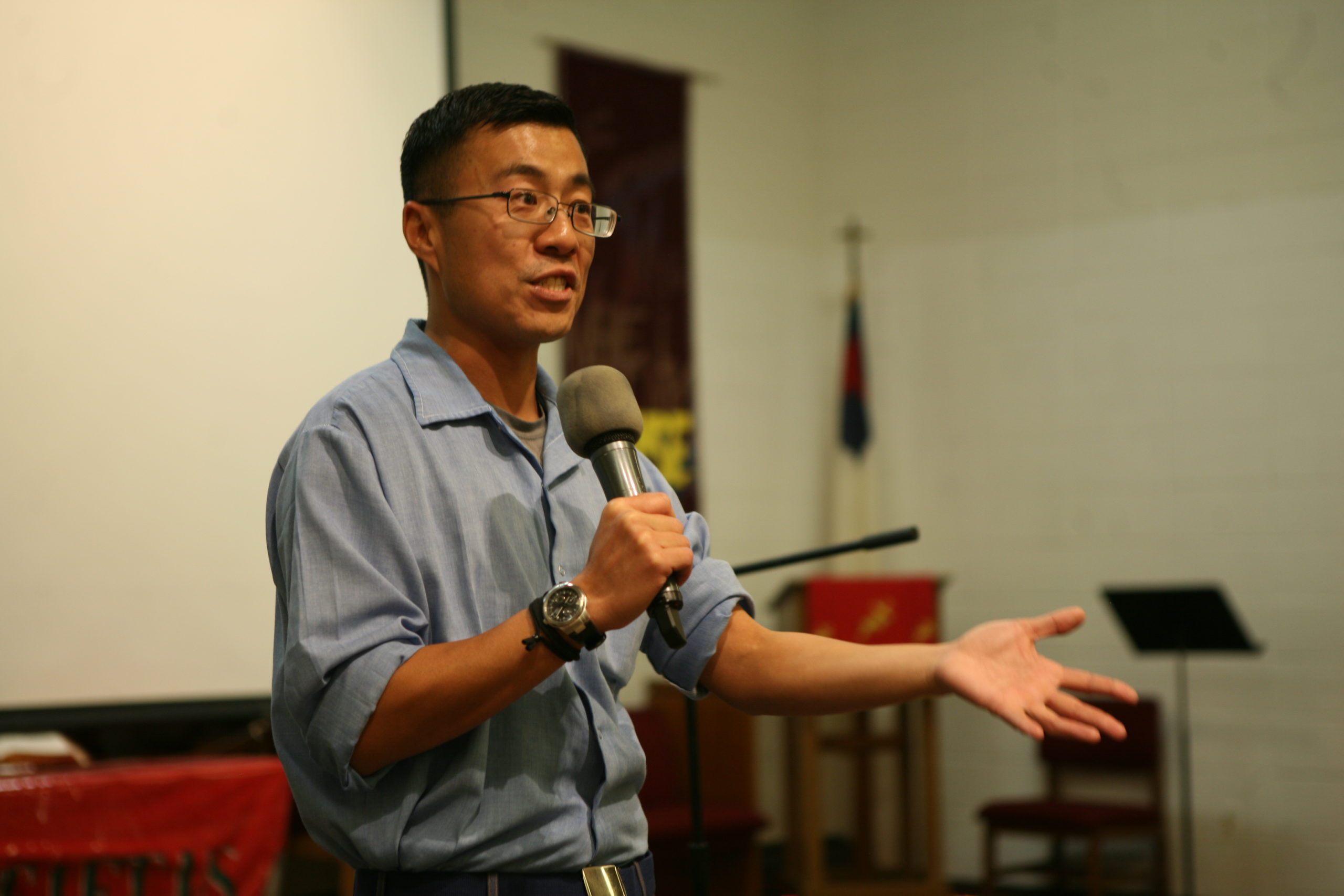
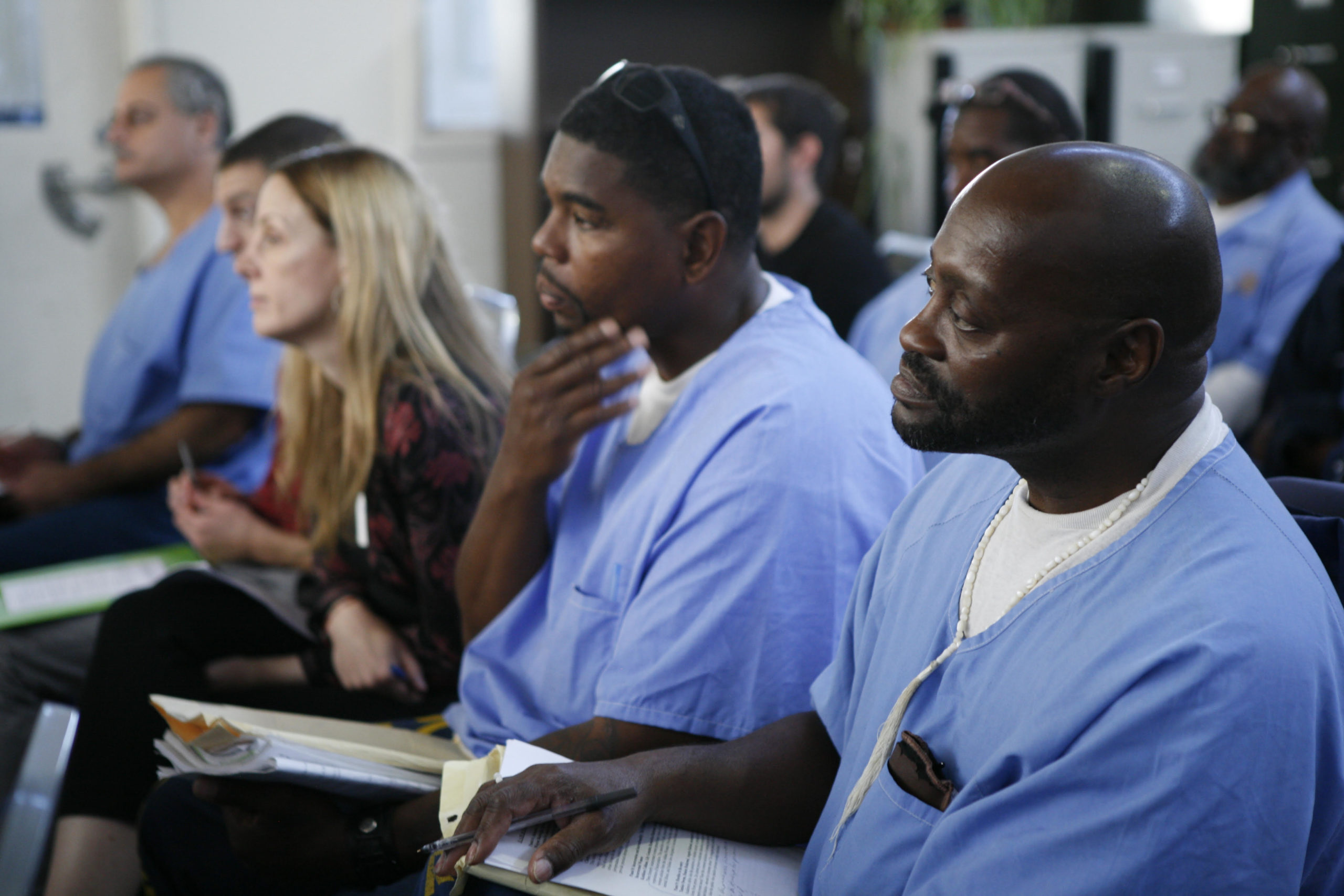
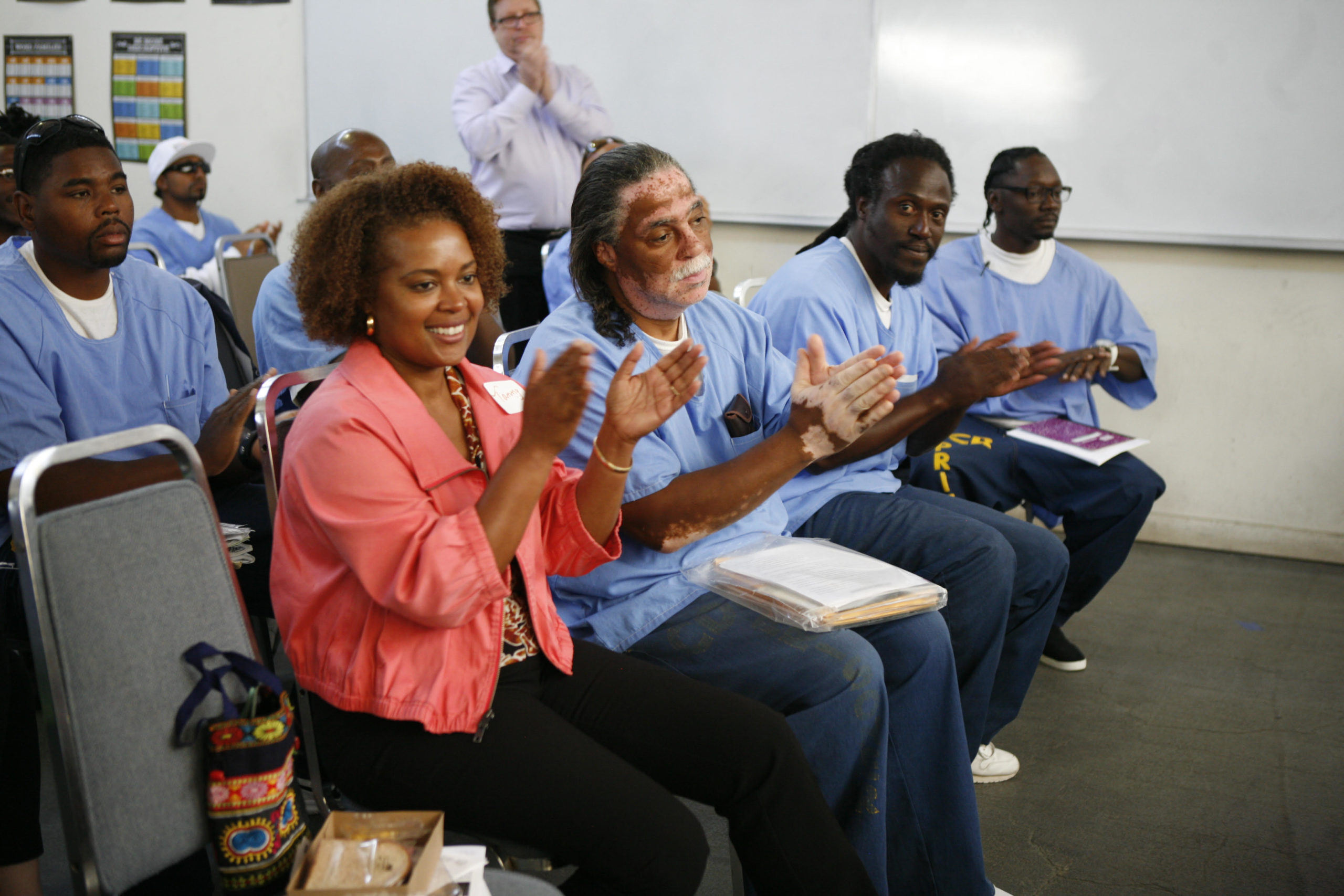
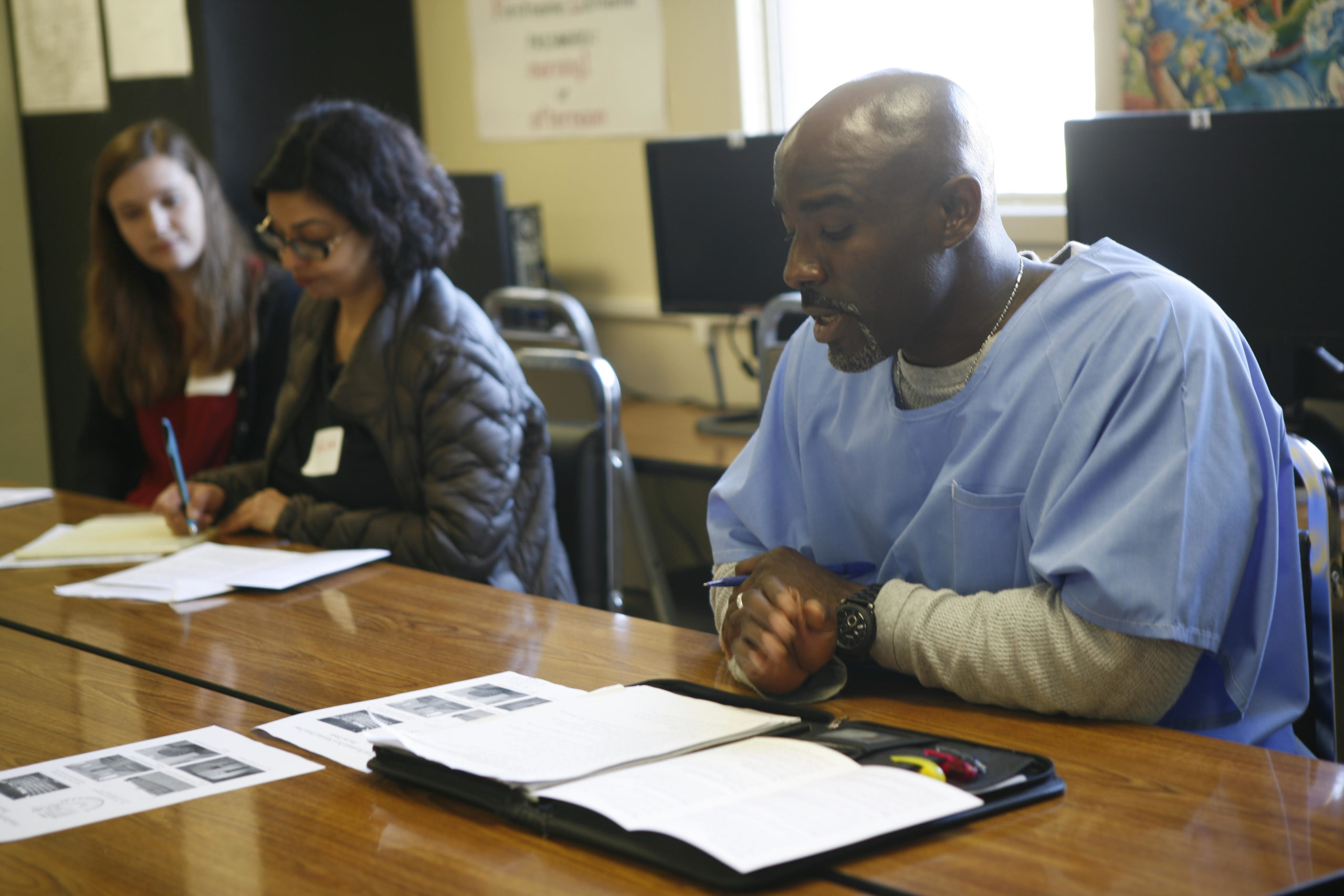
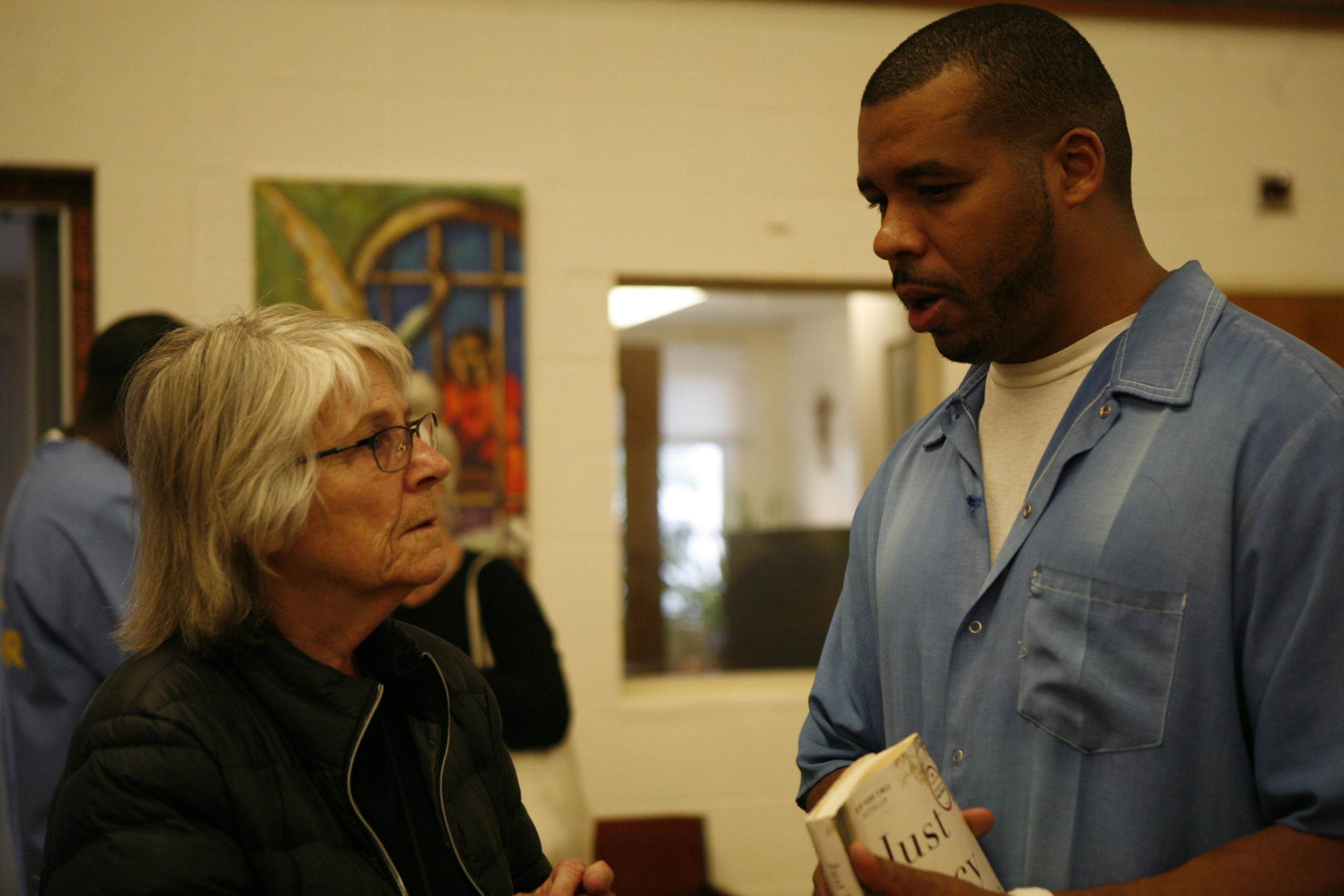
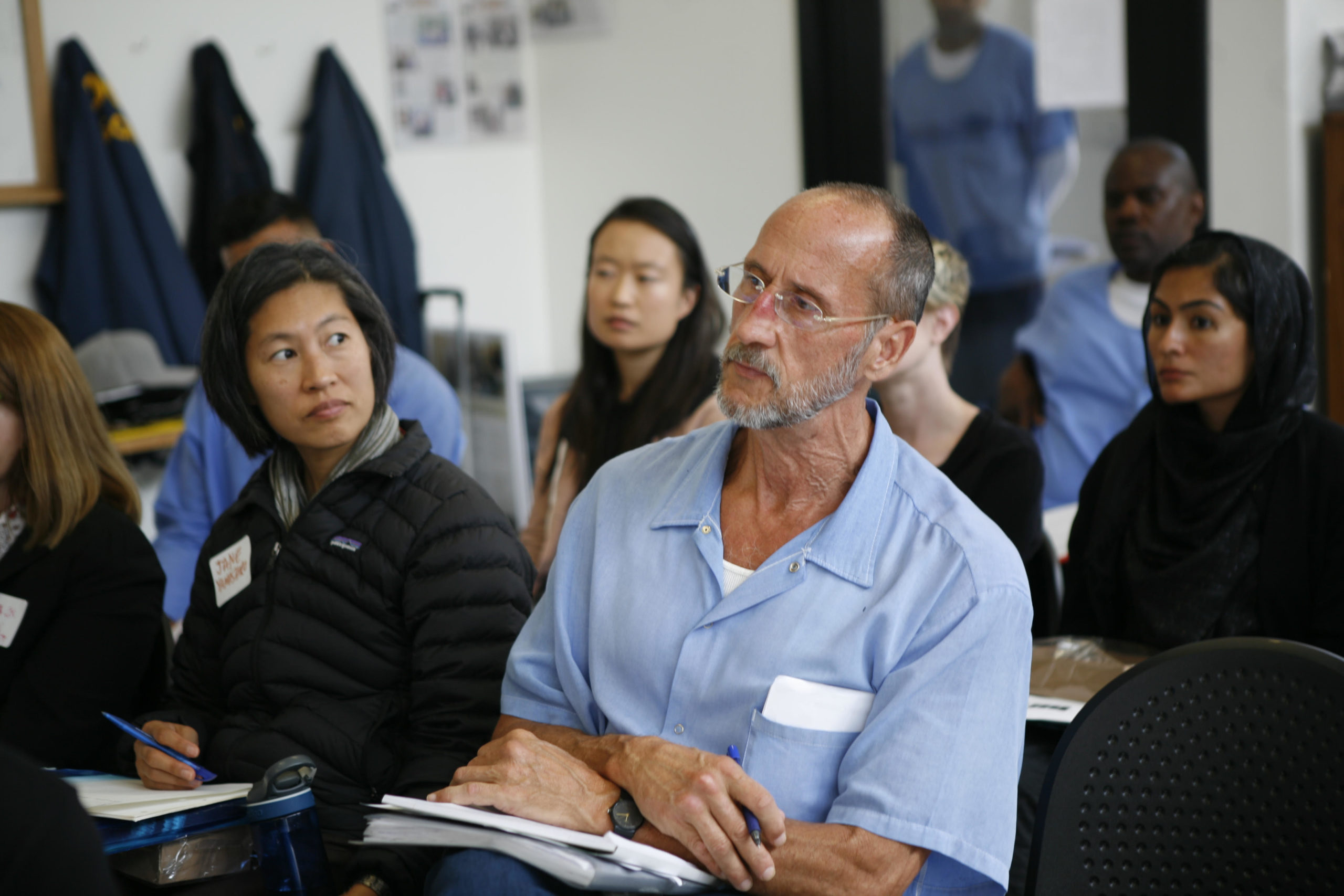
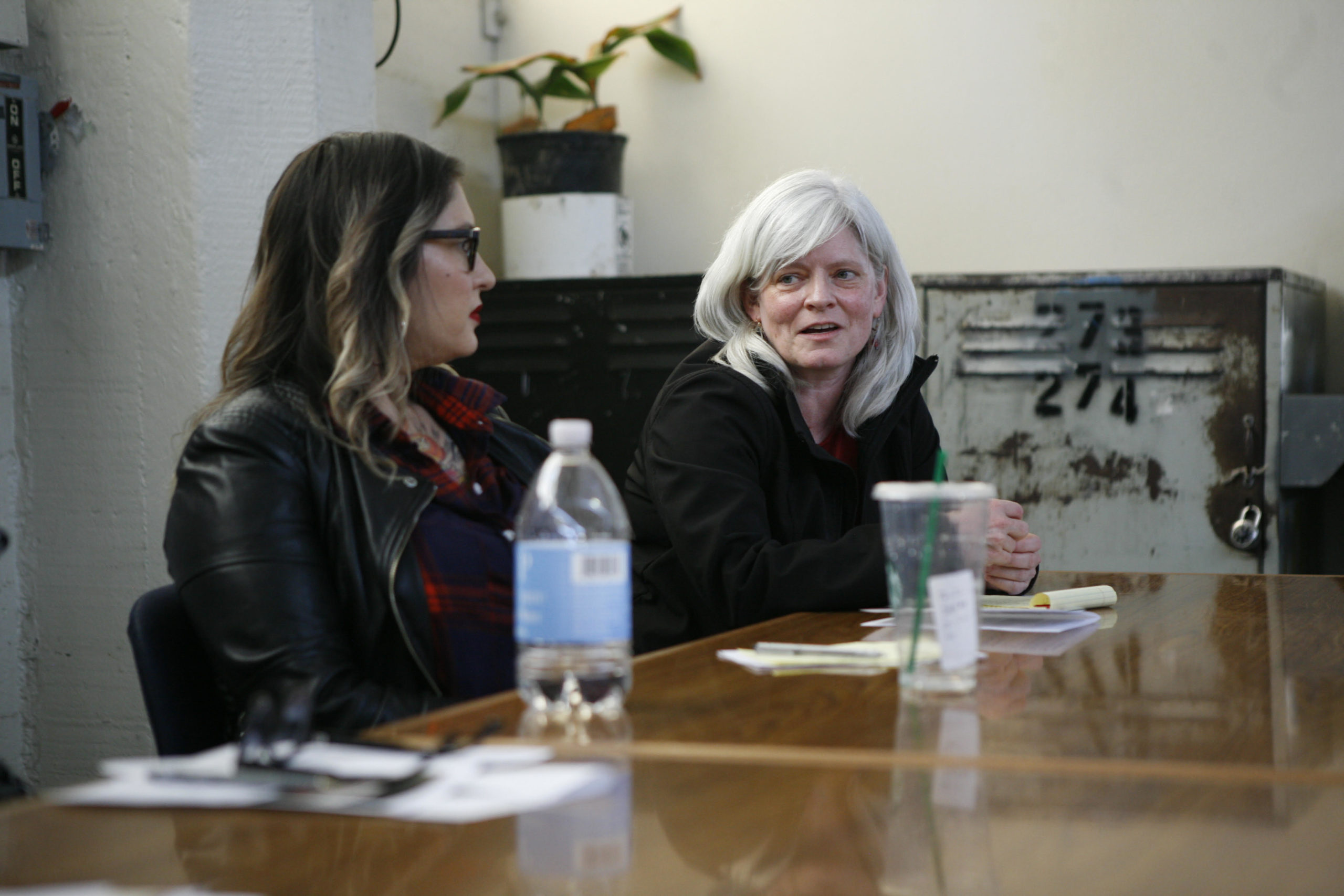
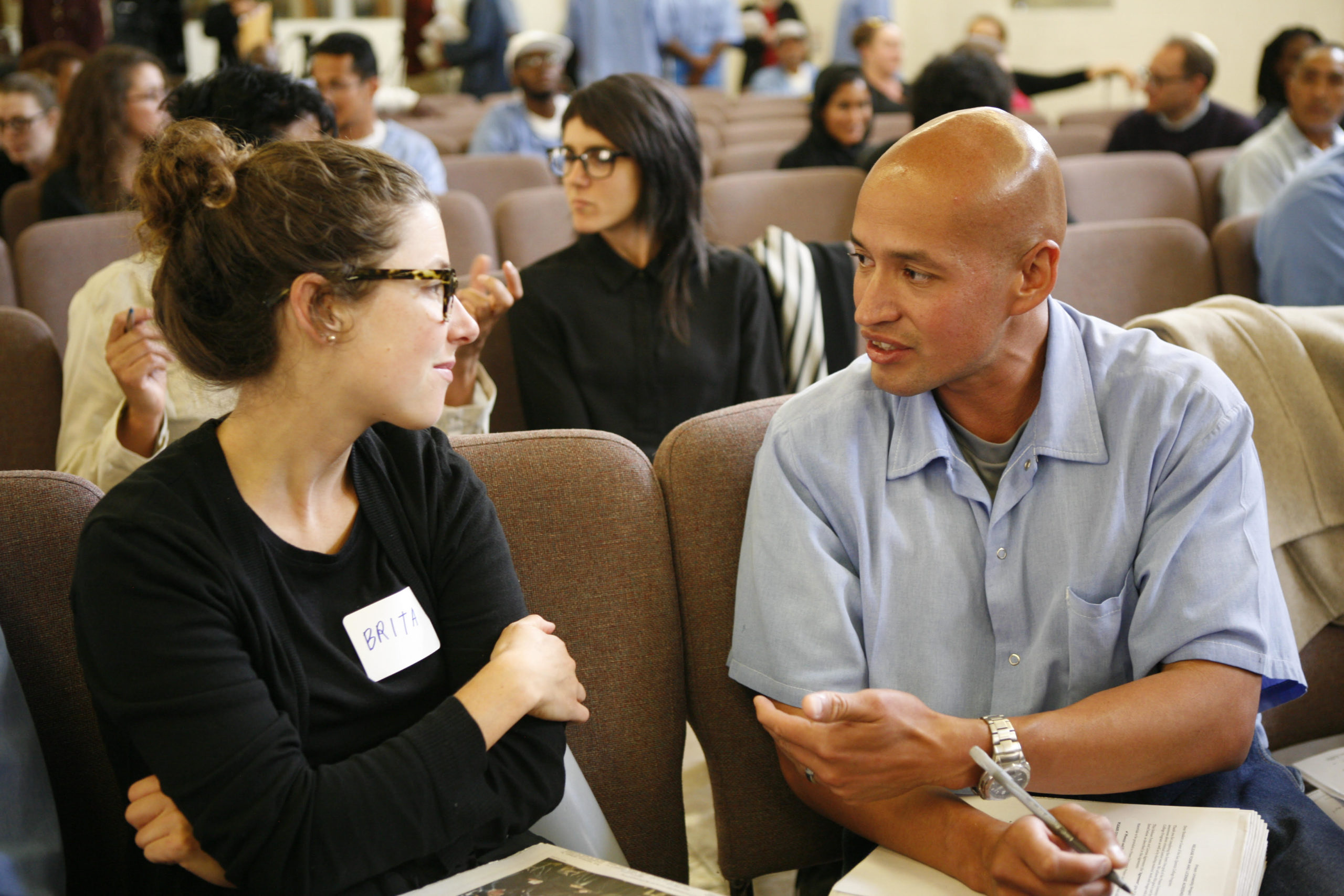
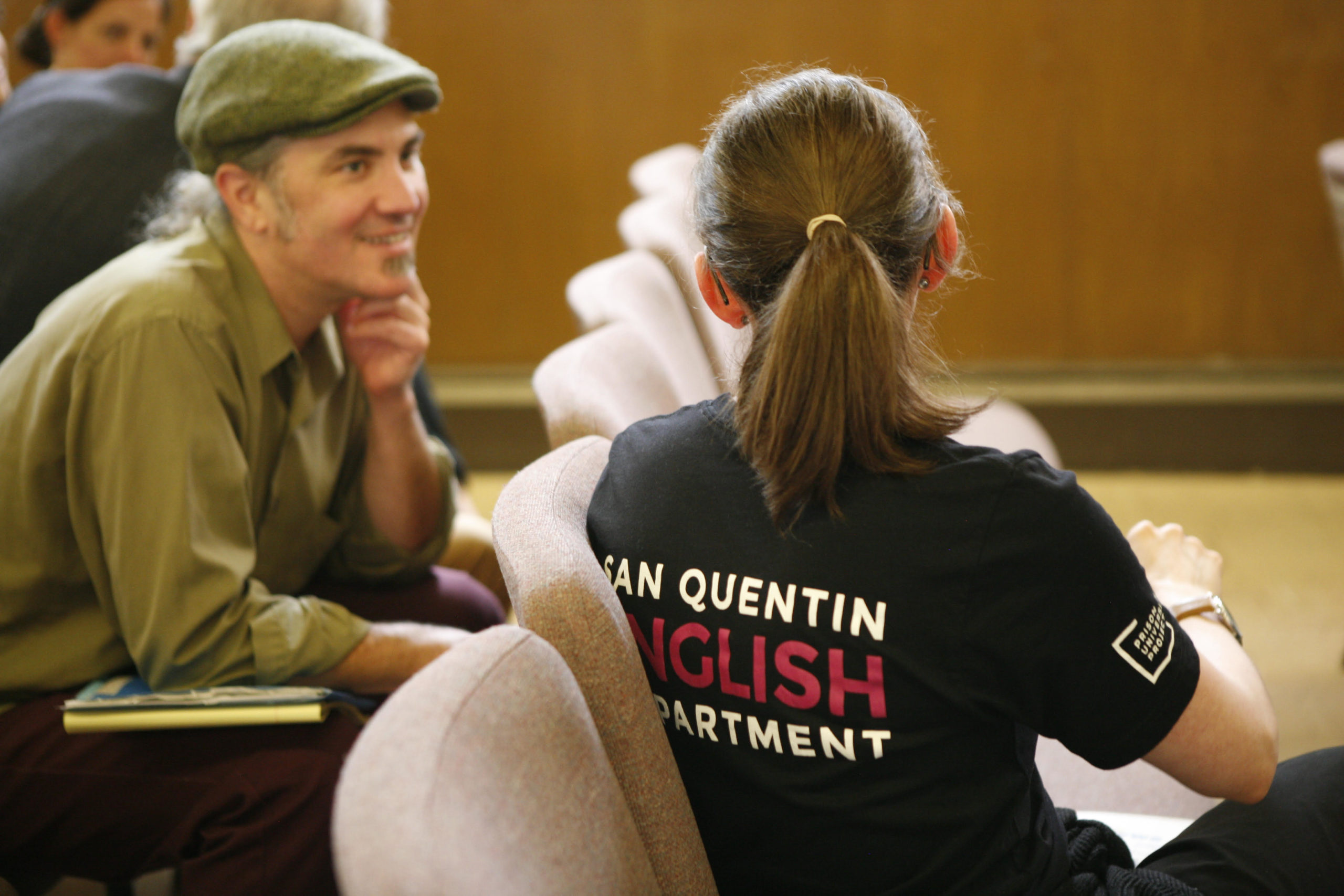
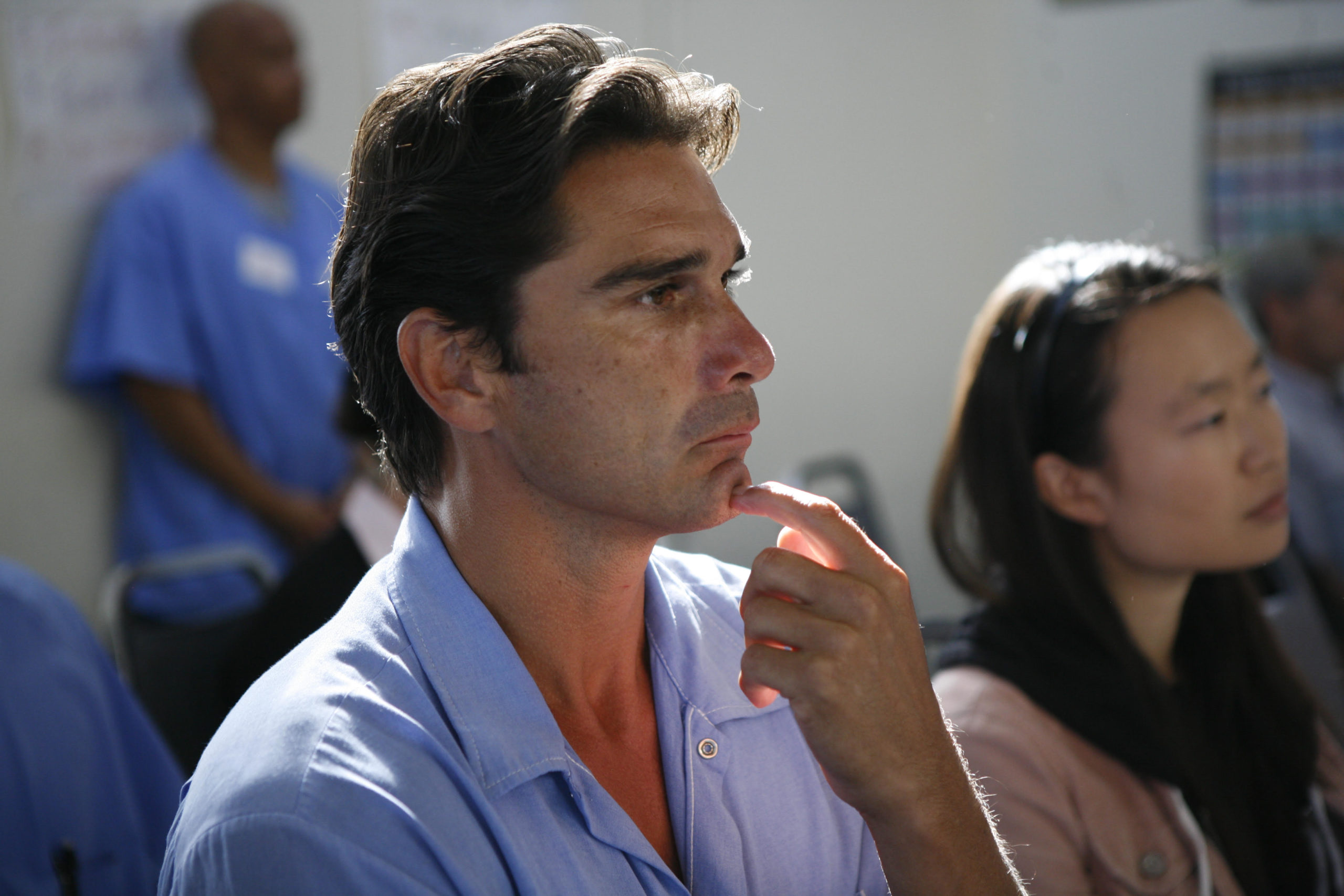
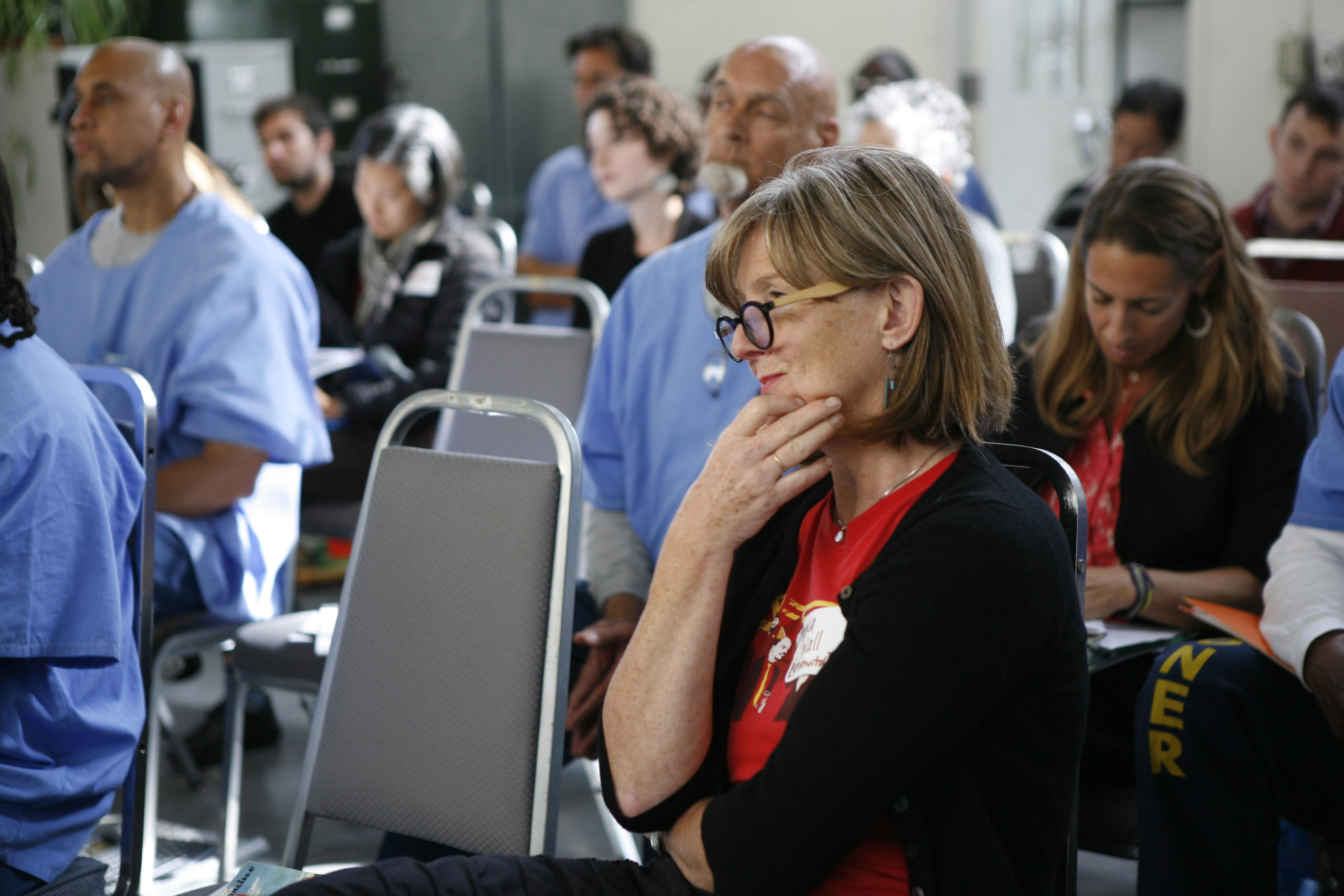
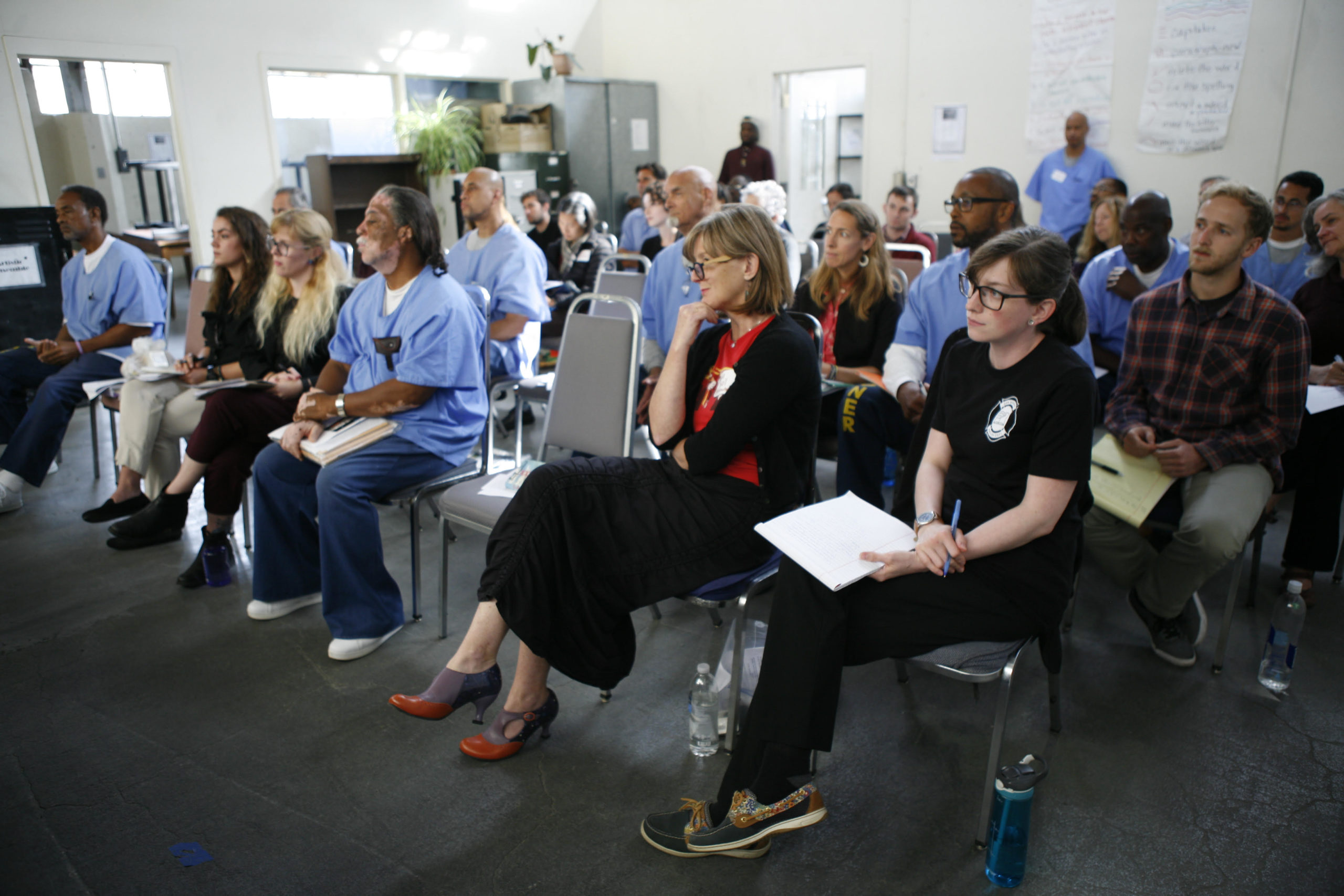
On October 5, scholars from across the United States convened to engage in dialogue with the Prison University Project’s students at San Quentin State Prison. As one of the first academic conferences held inside a prison, “Corrections, Rehabilitation, and Reform— 21st Century Solutions for 20th Century Problems” allowed those most impacted by America’s carceral system to contribute to the conversations that shape their own lives and futures. In our current era of mass incarceration in which racial and economic injustice are the prime contributors to prison overpopulation, the Prison University Project and our students see new modes of thinking about criminal justice as imperative to dismantle the systems of oppression that are structurally embedded in America’s social and political institutions.

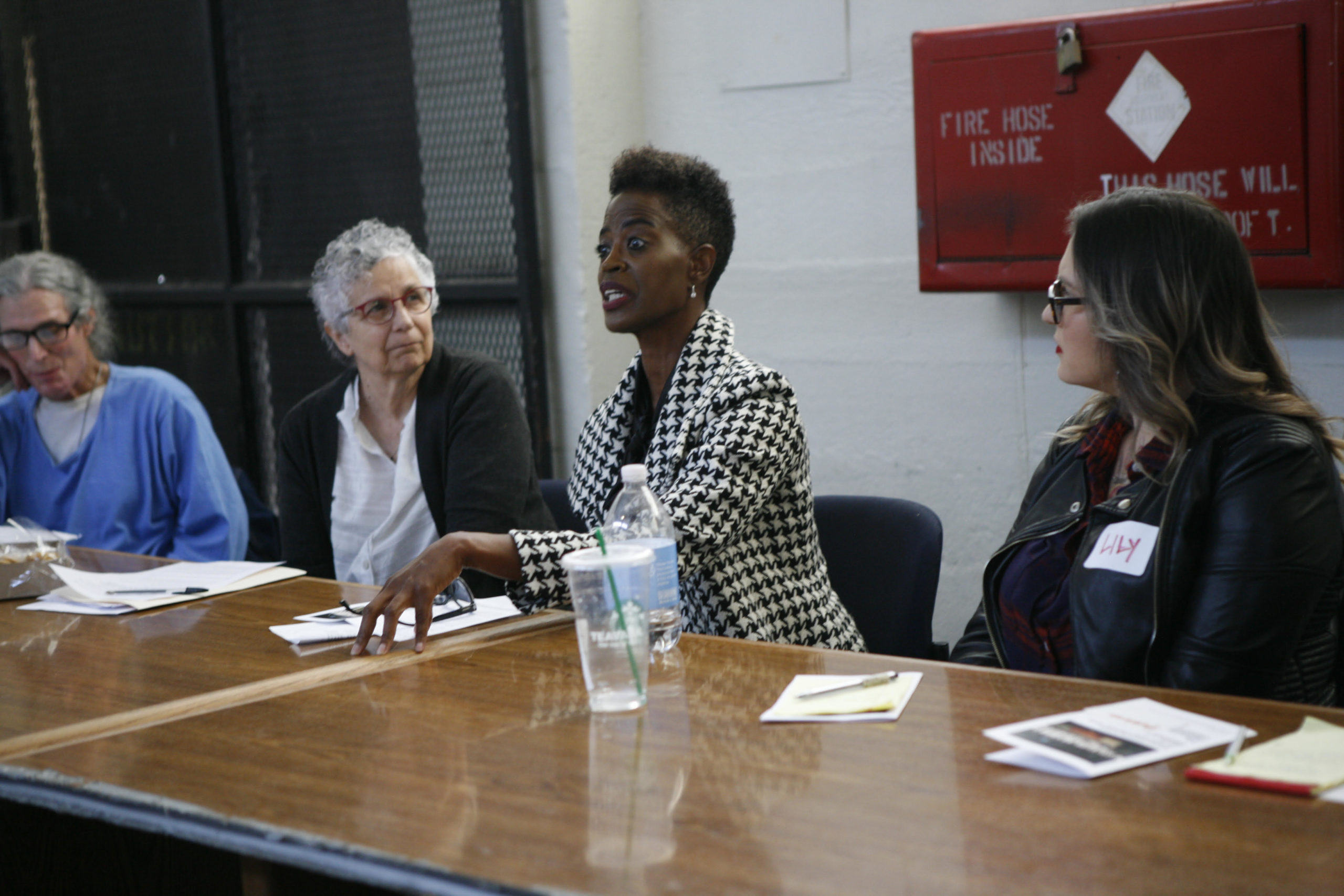
Along with the Prison University Project staff, a committee made up of incarcerated students did all of the planning, decision-making, and coordinating for the conference. We received nearly 100 paper submissions and had over 30 scholars ultimately participate in nine panels throughout the conference’s two morning sessions. Panel topics included “Bodies and Control,” “Histories and Narratives of Incarceration,” “Alternatives to Incarceration,” and “The Fine Line Between Help and Harm.”

Some highlights:

  • Romarilyn Ralston of Project Rebound shared her journey from incarcerated black woman to free scholar and activist and provided an intersectional analysis of the unique challenges women face in prison. Often overmedicated, forced to deal with the horrors of pregnancy and childbirth while a subject of the state, and overwhelmingly incarcerated as victims of domestic violence and sexual abuse, women and their experiences must be centered as we engage in conversations of reform and abolition.
  • Farah Godrej of UC Riverside problematized yoga and mindfulness training in prison by asking if techniques for docility and acceptance work to maintain the status quo through complacency or subvert it.
  • Incarcerated scholar and Prison University Project clerk James King and Prison University Project’s program administrator Heather Hart co-presented a paper on the savior complex that asked practitioners to critically engage with their own identity, privilege, and motivation for working in a prison. Not doing so, Heather and James argued, leads to practitioners inadvertently reproducing structures of inequality and power imbalances they believe they are working to break down.

Though panelists came from a wide array of lived experiences, backgrounds, and academic disciplines, a number of connecting themes emerged as throughlines from their remarks. All participants found centering and amplifying incarcerated voices as the most important first step to building a movement. Most saw higher education in prison as a radically inclusive alternative to punitive methods of corrections that instead offers humanity, dignity, and opportunities for healing and growth. Disrupting traditional binaries of “inside/outside” and “incarcerated/free,” this project of higher education in prison must be conducted in collaboration as practitioners and students co-create educational environments and engage in mutual learning.

Scholars across the board also agreed that as Americans living in the 21st century, our fates are intimately intertwined—we all suffer under a carceral state that destroys individual lives, families, and communities at large. Our current system of criminal justice serves to perpetuate inequality by criminalizing the actions of certain populations while those responsible for a staggering degree of social harm remain on Wall Street, in the White House, and other halls of power. Incarcerated and free scholars grappled with larger questions of state-sponsored suffering, education, and societal transformation: whose trauma is criminalized and whose trauma is normalized? How is education tied to power and social control? What does a world without prisons look like? And how can incarcerated people best leverage their experiences to lead a movement for change?

Panelists were joined by the Prison University Project staff, board members, volunteers, donors, and other higher education in prison practitioners. We were fortunate to also welcome Florida State Representative David Richardson.

“It was my pleasure to attend the recent academic conference hosted by the Prison University Project. As a Florida State Representative, I have pursued prison reform initiatives in the State of Florida over the past three years. Most of my work has been at the ‘micro’ level with much of my time being spent on the details of prison operations. It was very beneficial to hear the discourse from a ‘macro’ perspective. I learned so much, and it was especially beneficial to have the conference held inside a prison facility so inmates could have their voices heard.”

-David Richardson, Florida State Representative, District 113

The conference closed with a rousing keynote address in San Quentin’s chapel from Patrick Elliot Alexander, Associate Professor of English and African American Studies at the University of Mississippi, co-founder of the University of Mississippi Prison-to-College Pipeline Program at Parchman/Mississippi State Penitentiary, and author of “From Slave Ship to Supermax: Mass Incarceration, Prisoner Abuse, and the New Neo-Slave Novel.” Echoing remarks of past reformers and abolitionists such as Martin Luther King Jr, Angela Davis, Fannie Lou Hamer, and Malcolm X, Professor Alexander offered a scathing indictment of America’s systematic disenfranchisement of black bodies and celebrated the liberatory potential of higher education in prison as a means for social justice. In one particularly powerful moment, Professor Alexander had the audience acknowledge the deep intellectual capacity of everyone in the room by having us shout together, “I am a student! I am a teacher! I am a scholar! I am capable!” These words reverberate loudly beyond the walls of San Quentin as we move toward a future where brilliant minds behind bars are increasingly celebrated and serve as active participants in dialogues about criminal justice rather than objects of discussion.

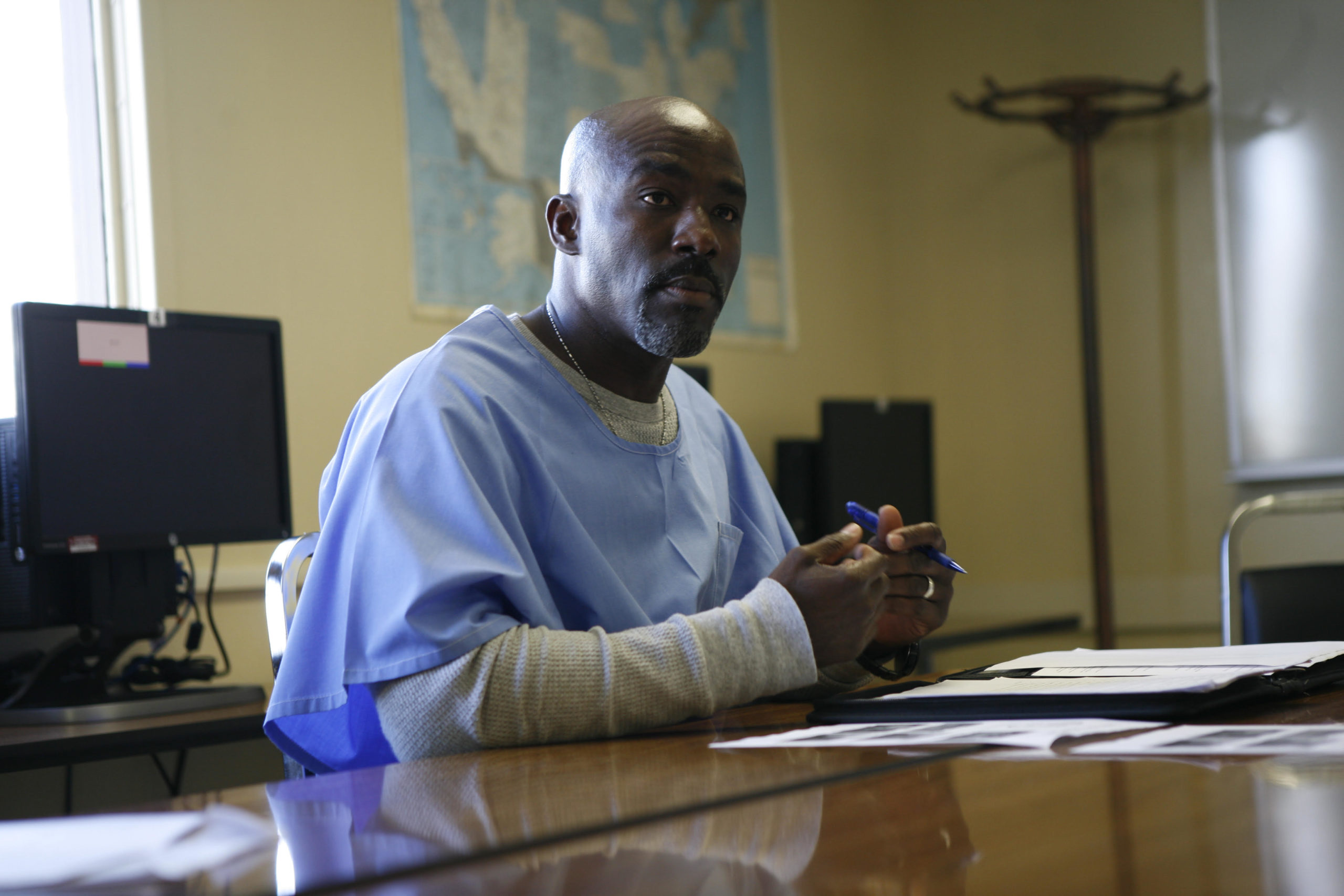
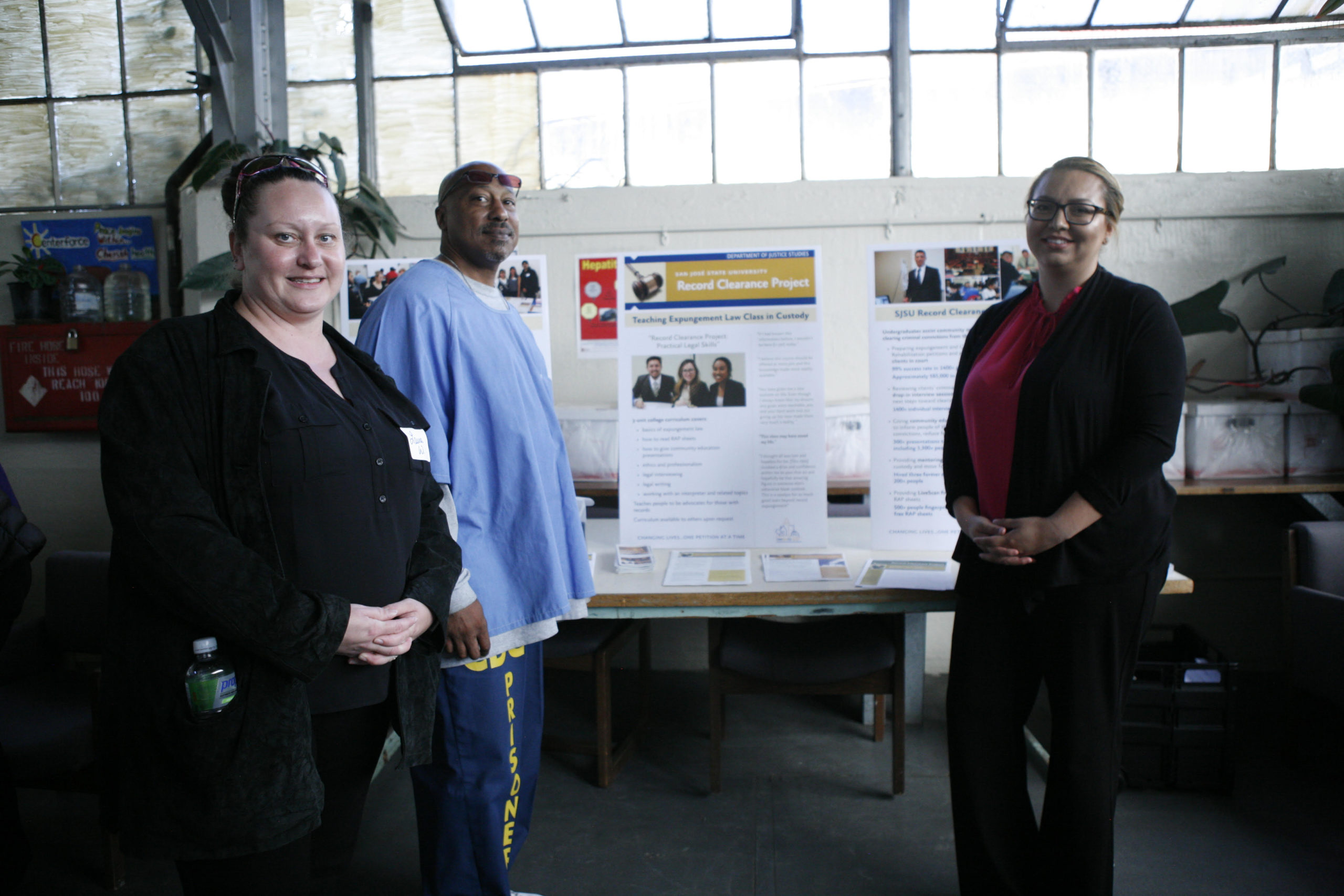
The Heising-Simons Foundation provided funding to produce a short documentary about the conference shot by R.J. Lozada (top of page). Photographs by Prison University Project student Eddie Herena.

Please note that the Prison University Project became Mount Tamalpais College in September 2020.

Filed Under: Academics, Campus & Community, Campus Events, Conferences, In the Classroom, Research & Outreach

Foundations Announce 2018 Soros Justice Fellows

July 26, 2018 by Mt. Tam College

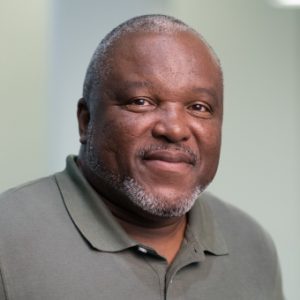
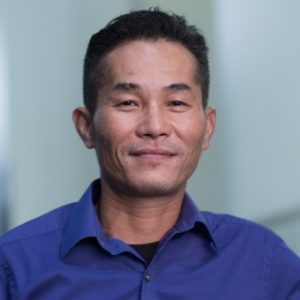
We are thrilled to announce that Prison University Project alumni, Troy Williams and Tung Nguyen, were selected as 2018 Soros Justice Fellows, emerging leaders who are pushing for meaningful criminal justice reform in the U.S. Open Society Foundation’s press release is excerpted below:

The Open Society Foundations today announced an award of $1.4 million to its 2018 class of Soros Justice Fellows, an exciting group of community organizers, journalists, lawyers, policy advocates, and artists who seek to advance reform and spur debate on a range of issues facing the U.S. criminal justice system.

“Open society values face countless threats in this country, and those threats seem to be coming at a truly head-spinning pace,” said Lenny Noisette, who oversees the Soros Justice Fellowships for the Open Society Foundations’ U.S. Programs. “We’re fortunate to be able to support a group of people who will work to ensure that criminal justice reform remains front and center in debates about fairness and justice in this country—debates that have more urgency now than ever.”

Working in 10 states across the country, the 16 fellows in this year’s cohort include: a lawyer who will fight to make the effects of America’s harsh “three strikes” drug laws more transparent; two formerly incarcerated advocates who will provide legal support to their incarcerated peers; a transgender rights activist who will work to help transgender and gender nonconforming people tell their own stories of how the criminal justice system impacts their communities; and a former probation and parole officer who will now advocate for more humane probation and parole policies.

[…]

Tung Nguyen will establish a model Vietnamese deportation support system in Orange County, California, that can be implemented nationwide.

Troy Williams will create a nationwide multimedia platform and community engagement program that helps formerly incarcerated people document their experiences and engage the public.

Read Story

Please note that the Prison University Project became Mount Tamalpais College in September 2020.

Filed Under: Awards & Recognition, Campus & Community, Current Affairs, MTC in the News, MTC News, People

How to Find Truth in Today’s Partisan World—Can Public Philosophy Teach Us to Think?

June 18, 2018 by Mt. Tam College

On February 13, 2018 members of the Prison University Project’s College Program competed against UC Santa Cruz philosophy students in an Ethics Bowl– a non-confrontational alternative to the traditional competitive form of debate. Held within the walls of San Quentin State Prison, this unprecedented event celebrated the pursuit of truth over persuasion and promoted healthy habits of thinking and reasoning as essential elements for a thriving civic society.

Reflecting on the Ethics Bowl, Scott Rappaport explores what it means to move philosophy “away from the stereotype of the old bearded man pondering in the mountains and instead apply its principles to crucial problems we all face in today’s world.”

Twice a month from last September to February, UC Santa Cruz philosophy lecturer Kyle Robertson woke up early, dropped his kids off at school, drove north for one hour and fifty minutes, crossed the Richmond Bridge, and went to San Quentin.

He would park in the prison lot, walk past a gift shop selling art created by death row inmates, and enter the main gate, where he would sign in at the first of three consecutive checkpoints. Finally entering the prison yard, he would walk past prisoners playing on the basketball courts and others engaged in games of chess, to get to the education center of the prison.

Robertson was there to teach a course in Ethics Bowl—a non-confrontational alternative to the traditional competitive form of debate—in collaboration with the Prison University Project (PUP). At the same time, he was also teaching an undergraduate course and coaching a team in Ethics Bowl at UC Santa Cruz. He soon suggested and arranged a very unusual debate between seven philosophy students from UC Santa Cruz and a team of prison inmates from San Quentin. It took place in the prison chapel—in front of an audience of nearly 100 inmates.

“This is the first time there’s been a debate inside San Quentin,” says Robertson, who served as moderator. “And it’s one of the first Ethics Bowls that’s ever happened in a prison.

“It was a smashing success, but it was no small feat logistically,” he adds. “Because in the prison environment, everything runs on a tight schedule, and control of that schedule is entirely in the guards’ hands, not mine. We had to alter the format a little—for example, we made a 10-minute break in the middle of the round, because all of the inmates had to file outside for a count at that point. All inmates in the state of California are counted around 4 p.m., whether they are relaxing on the yard or competing in an Ethics Bowl.”

The event at San Quentin is just one of the many outreach activities of the Center for Public Philosophy (CPP) at UC Santa Cruz. Founded in 2015 by associate professor of philosophy Jon Ellis, it is supported by The Humanities Institute, an incubator for humanities research on the Santa Cruz campus.

The center is also coaching and conducting regional Ethics Bowls for high schools throughout Northern California; creating short animated videos about philosophical problems that teach reasoning skills and how to avoid biased thinking; teaching moral philosophy and ethics in Santa Cruz jails; working with biologists to study how language affects conservation efforts; and even introducing philosophy, ethics, and critical thinking to children at three elementary schools in the local community.

The idea is to move philosophy away from the stereotype of the old bearded man pondering in the mountains and instead apply its principles to crucial problems we all face in today’s world. And in an era of intense partisanship, rabid fighting on social media, “fake news,” and “alternative facts,” the center promotes a new normal of how to talk about the really big issues confronting us today—in a civilized, rational, and much friendlier manner.

“The goal of the Center for Public Philosophy is to improve the caliber of deliberation and dialogue in the general public,” says Ellis, director of the center. “Our programs seek to promote healthy habits of thinking and reasoning by drawing on key insights from the history of philosophy and the findings of cognitive science.”

Ethics Bowl is the opposite of traditional forms of debate in this country—the “win-at-all-costs,” negative, whatever-it-takes debate that is typical of cable news, congressional debates, election campaigns, and our courtrooms. Both Ellis and Robertson believe that traditional debate competitions, a well-established part of the U.S. high school curriculum since early in the 20th century, ultimately strengthen and reward one-sided thinking.

“I think that the way we argue in courts of law, and in ‘forensic’ debate competitions, has undermined our ability to engage in the constructive debate that is necessary for democracy to function. Ethics Bowl, or something like it, could be a cure,” says Robertson, who earned a law degree from UC Berkeley and practiced for two years in Silicon Valley, before earning a Ph.D. in philosophy from UC Santa Cruz.

“Standard debate is reasoning with an agenda,” adds Ellis. “It is also what we find so corrosive in today’s politics. People have their favored view and then emphasize the information that fortifies their stance. Evidence that threatens their position is rationalized away, while problems for the opposing view are scavenged for, and then magnified.

“Not surprisingly, schools and communities around the country are pursuing alternative forms of debate, ones that switch the order of priority, and set the goal of truth and understanding over the goal of persuasion.”

Robertson notes that 13 prisoners were originally in his class training for the Ethics Bowl debate at San Quentin, but over the course of the semester, “two guys got out, so we lost them from the team.” The two-hour class covered topics such as moral theory and how to use ethics to justify a position in a case.

“They loved it—they were really into it,” says Robertson. “They would stay after class to talk to me; they would not want to stop talking,” he adds. “They read incessantly and were really well-prepared. I think also, pragmatically, they were learning moral advocacy skills for their own hearings—many have life sentences with a possibility of parole.”

But for the UC Santa Cruz students, training for the debate was a mixture of anxiety and adrenaline.

“Their first reaction was excitement; the fear came as they actually thought more about it, particularly on the day of the event,” says Robertson. As senior philosophy major Anna Feygin (Oakes,’18) notes, “It’s one thing to be forewarned about what to expect when you head inside a prison; it’s another to actually experience it.”

“I was nervous because I was essentially going and walking into a prison, but excited at the same time,” she recalls. “I’d never been to a prison—let alone talked to a prisoner, or an ex-prisoner, or a current prisoner—so it was pretty nerve-wracking at some points.”

Third year philosophy student Pedro Enriquez (Oakes, ‘19) also had some concerns.

“I thought it was going to be a lot more like the movies where they’re locked down, and you know, they’re going to be hollering or whatever. So when we walked in after we passed the security and they were just walking around, I was like, ‘Wait, is anybody gonna do anything, like where are all the cops, what if they do something?’

“I think I was nervous because it was such a new environment for me, and we were going to be in front of so many inmates,” he adds. “We came in thinking we were on the book-smart side, and they were very much on the street-smart side, so there was a different dynamic going in. That made me nervous, and I don’t know, it just seemed like a very important event.”

But their fears were soon alleviated.

“Once the prisoners started coming up and talking to us, they were really friendly,” says Enriquez. “And I remember looking out into the crowd and seeing the inmates and how attentive they were, and seeing all the volunteers and just thinking, ‘Wow, this is a big deal.’ You know, it’s easy for me to think of this as an extracurricular activity, but it means a lot more than that to a lot of people.”

“I just remember going around and shaking everyone’s hands and thanking them for letting us do this, because it really was a once-in-a-lifetime opportunity,” Feygin adds. “Overall, it was a remarkable and eye-opening experience, and I am very grateful to have been a part of it.”

“How many of you have been to San Quentin before?” says the warden, addressing the guests and UC Santa Cruz students just before the Ethics Bowl debate begins. “Is this what you thought prison was going to be like? For most people who come in who have never been to San Quentin, this isn’t what they expect … and we’re pretty proud of that.

“This doesn’t happen everywhere,” he adds. “We’re blessed to have people willing to come in and give their time for rehabilitation.”

One of those people giving their time is Amy Jamgochian, the academic program director for the Prison University Project (PUP), a nonprofit organization that supports the college program at San Quentin. One of the few on-site prison college programs in the country, its mission is to provide and support increased access to higher education for incarcerated people, as well as to encourage public awareness of higher education access and criminal justice.

“I hadn’t heard of the Ethics Bowl format before Kyle introduced it to us, and I love it,” says Jamgochian. “It offers components of argumentation that are missing in traditional debate and that create a more nuanced and analytical dialogue. I’m delighted that our students have the chance to be exposed to this particular format.

“We aim to offer a college experience inside prison that is as close to college outside prison as possible. This means that our courses are rigorous and we have high expectations of our students, but we’re also trying to build a campus community, which the event played a lovely role in.”

“Our students are humans embedded in communities, whether they leave prison in a week, in a year, or never,” Jamgochian adds. “They have cellmates, friends, wives, mothers, children, grandchildren, and friends. They write op-eds, short stories, novels, and letters to senators. They teach courses to other prisoners, and they advocate for themselves and for their friends and families. It may well be the goal of the prison system to strip prisoners of citizenship, but humanity can’t be squelched, and there are modes of citizenship that don’t require voting or physical freedom. The principles of Ethics Bowl are the principles of healthy democracy: understanding the issues, advocating for one’s beliefs, listening to others’ ideas, and engaging in respectful dialogue.”

The Ethics Bowl class and subsequent debate with UC Santa Cruz philosophy undergraduates affected the inmate participants in a variety of ways. Each had a personal reason for taking part in the debate, and afterward, most expressed a desire to participate in future Ethics Bowl debates.

“I decided that it would a great idea and learning experience to engage other students in some type of formal debate,” says inmate Randy Akins. “Just to be able to interact with the public made me feel whole again.

“I’ll do it again,” he adds. “I learned how to incorporate other people’s views into a cogent argument.”

Inmate Forest Jones had a different take on the experience.

“I wanted to represent my team and demonstrate the knowledge I’ve been learning in the Prison University Project classes,” says Jones. “I’d never participated in a debate and wanted to experience its setting.

“Coming into this Ethics Bowl class and debate, I struggled in the understanding of the concepts of ethics,” Jones adds. “But doing the exercise of applying them to real-life events has helped me better understand them. They are not some abstract concepts, but relevant and applicable in solving life’s problems.

“I enjoyed the conversation and exchange of knowledge with the students,” says Jones. “I would participate in another debate if you had one. But I may have to do it in a public university, because I appear before the parole board in a month and a half.”

One of the three judges for the San Quentin Ethics Bowl was Sandra Dreisbach, who cofounded the first Ethics Bowl team at UC Santa Cruz while still a graduate student. Now a lecturer in the Philosophy Department, Dreisbach observed that both the San Quentin team and the UC Santa Cruz undergraduate student team did more than have an ethics debate—they demonstrated what it means to be ethical.

“For me it represented the true spirit of what ethics and Ethics Bowl is about: being truly compassionate and respectful toward others by being fully open to all perspectives on moral issues that concern us all, regardless of what differences we possess,” says Dreisbach. “The San Quentin prisoners and the UC Santa Cruz undergraduate students may be deeply different in their experiences, their age, and education, but they all came together to share their moral views with true sincerity and full engagement with each other. In the end, what both teams exemplified in this San Quentin Ethics Bowl is what we all share—our human experience.

“It is one thing to understand in principle that there are people in prison for life and that inmates, as human beings, deserve to be treated with respect regardless of what crimes they have been convicted of,” Dreisbach adds. “It is quite another thing to leave the comfort and familiarity of UC Santa Cruz and trappings of everyday life, and willingly enter San Quentin prison, meet inmates, and actively discuss and debate with them. This is an invaluable life experience that instructs deeper than any classroom lesson could have provided.”

There’s no shortage of contentious topics that can be debated in an Ethics Bowl—ranging from the Trump Administration’s “Muslim Ban,” to the use of military drones, to political discussion on social media, to the ethics of marital infidelity. Not to mention ethical questions about birth control and the Affordable Care Act, video games involving virtual and augmented reality, working while sick, online privacy, banning religious garb, and “donor babies.”

At San Quentin, the students and prisoners grappled with just two cases: “Should we change a rule made by the American Psychiatric Association that states it is unethical for psychiatrists to give a professional opinion about public figures they have not examined in person?” (a rule that has recently generated public debate because of President Donald Trump), and “Is it ethical to boycott, divest, and sanction Israel for its actions in the West Bank and Gaza Strip?”

But perhaps the most stirring thing for UC Santa Cruz philosophy professor Jon Ellis was how genuinely excited the inmates in the audience were by the excellent job the San Quentin team was doing at this particular exercise of fair-minded reasoning and open-minded listening.

“There was an integrity there that really stood out to me, in the way that both teams—but especially the San Quentin team—engaged with the questions that were posed, showing a sincere respect for the complexities of the thinking and reasoning required by the difficulty of the issues,” says Ellis.

“It was very interesting. After the first round ended and the applause died down, an inmate in the audience stood up and said loudly, ‘You know that marginalization you all were talking about? Our being in here is the result of that.’ It was a tense and poignant moment that really stayed with me.

“I was no less impressed by the UC Santa Cruz team,” he adds. “It took a great amount of courage to do what they did. What was most impressive to me though was the poise and goodwill the students showed after losing the debate to the inmate team. If there was bitterness or disappointment, it didn’t come through at all; rather, directly after the event, they were genuinely and eagerly debriefing with the inmates, exchanging ideas, perspectives, and appreciation.”

Robertson says that he plans to co-teach a class next year with the Prison University Project at San Quentin, and that together they hope to hold future Ethics Bowls at San Quentin involving up to four new prison teams. He adds that the Center for Public Philosophy is also hoping to expand its outreach locally and host the first ever Ethics Bowl in the Santa Cruz County jail system.

“This type of event embodies the type of activity I value at the center for a variety of reasons,” says Robertson. “It reaches out to communities that are generally not included in our public deliberations about difficult ethical and political situations. I think that a good public philosophy program should spend a lot of time soliciting and amplifying voices that are not usually heard in philosophy, or political science, or public political discourse in general. The San Quentin inmates are often the objects of such deliberation, but rarely, if ever, participants.

“It also teaches students much more about what they believe, and why they believe it, than a traditional ethics classroom experience,” he adds. “The pressure of public performance induces students to work so much harder in preparation than they ever do to write a paper for an academic class. Plus, the public nature of Ethics Bowl makes the students get outside of the ‘what does the professor want to hear’ mindset. They don’t know who the judges will be beforehand, and they know they’re speaking to an audience of community members and peers. This pushes them, I think, to make arguments that they themselves believe in rather than trying to predict what others want to hear.”

As senior UC Santa Cruz philosophy student Pablo Fitten observed after the debate: “This was easily as an undergraduate the most applied philosophical endeavor that I’ve ever done. I think it was one of the most interesting and beneficial undergraduate experiences that I’ve had as a philosophy major.”

Attribution: This article originally appeared on UC Santa Cruz News.
Read Story

Please note that the Prison University Project became Mount Tamalpais College in September 2020.

Filed Under: Campus & Community, Campus Events, Current Affairs, MTC in the News

  • « Go to Previous Page
  • Page 1
  • Interim pages omitted …
  • Page 7
  • Page 8
  • Page 9
  • Page 10
  • Go to Next Page »
mtc seal

Contact Us

PO Box 492
San Quentin, CA 94964
(415) 455-8088


Please note: Prior to September 2020, Mount Tamalpais College was known as the Prison University Project and operated as an extension site of Patten University.


Tax ID number (EIN): 20-5606926

Quick Links

CONTACT US
CAREERS
PRESS KIT
ACCREDITATION
PUBLICATIONS
DONATE


Join Our Mailing List

© 2026 | Mount Tamalpais College | Photography by RJ Lozada | Design & Development by //DESIGN AGENCY//

  • About
    ▼
    • Mission & Values
    • Staff & Board
    • Accreditation & Institutional Research
    • Careers
  • Academics
    ▼
    • Admissions
    • AA Degree
    • College Prep
    • Faculty
    • Apply To Teach
  • Students & Alumni
    ▼
    • Students
    • Alumni
    • OpenLine Literary Journal
  • Resources
    ▼
    • Practitioner Support
    • Resources for Incarcerated Students
    • Research on Prison Higher Education
  • News
    ▼
    • Top MTC Stories
    • Recent Press
    • From the President
    • Commencement
    • 2026 Gala
  • Give to MTC
    ▼
    • Donate
    • Shop