On September 18, the Prison University Project welcomed filmmaker Lynn Novick and her colleagues—producer Sarah Botstein; Chris Pigott of DKC News; Julia Lourie of the Bard Prison Initiative (BPI); Salih Israil, a Bard graduate and formerly incarcerated individual featured in the film; and Elitha Smith, sister of a currently incarcerated BPI alumnus featured in the film—for a screening of College Behind Bars at San Quentin for students of the College Program. This four-part documentary was executive produced by Ken Burns and features the educational journeys of a group of students in the Bard Prison Initiative, a higher education in prison program in New York. Our students and staff appreciated the opportunity to engage with the filmmakers and dialogue on changing public representation of incarcerated people.
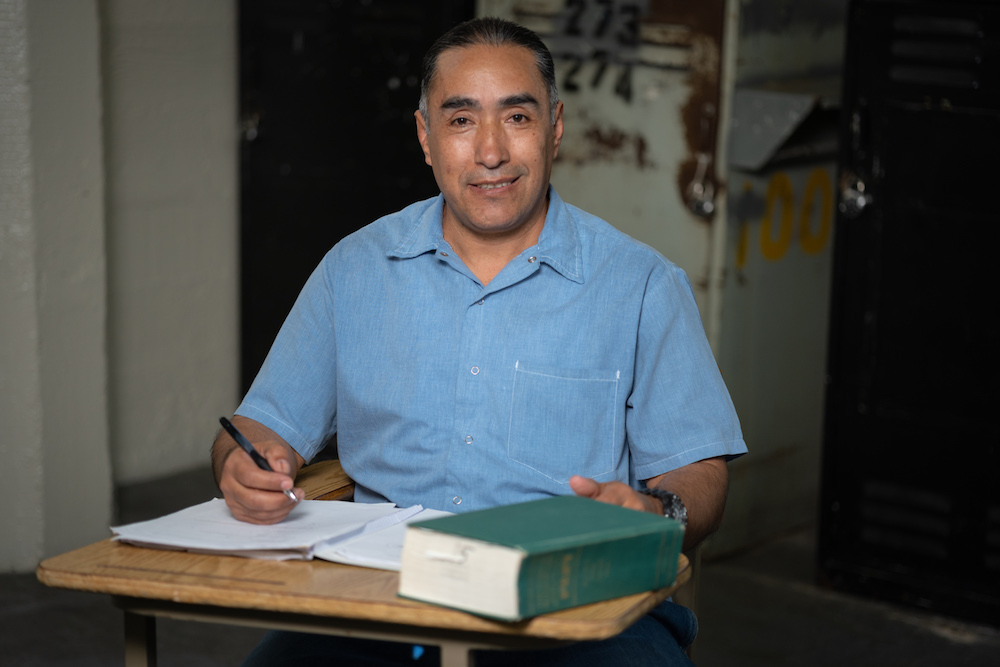
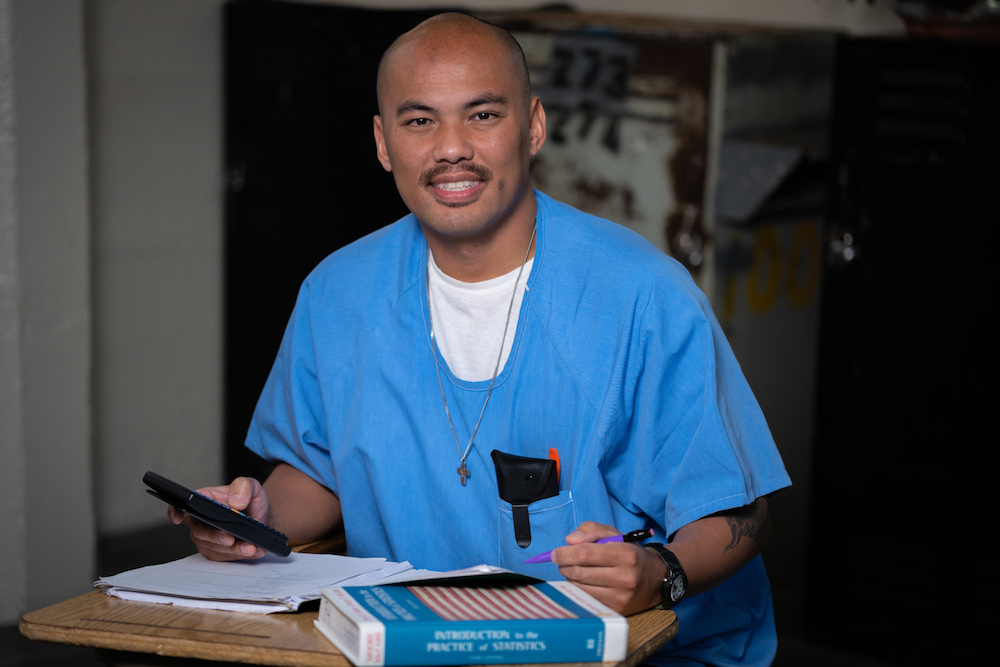
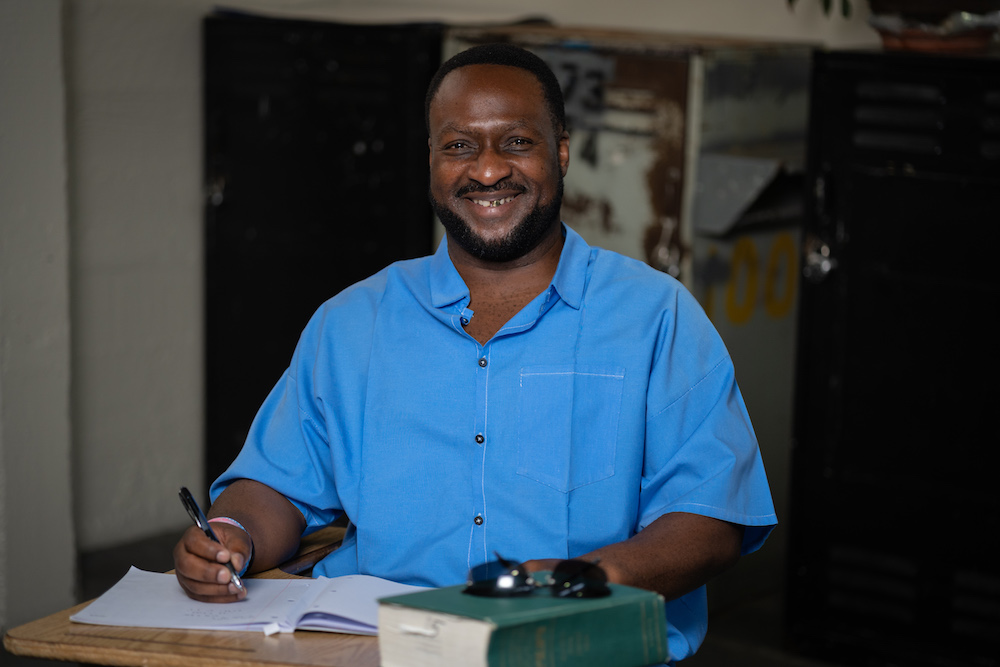
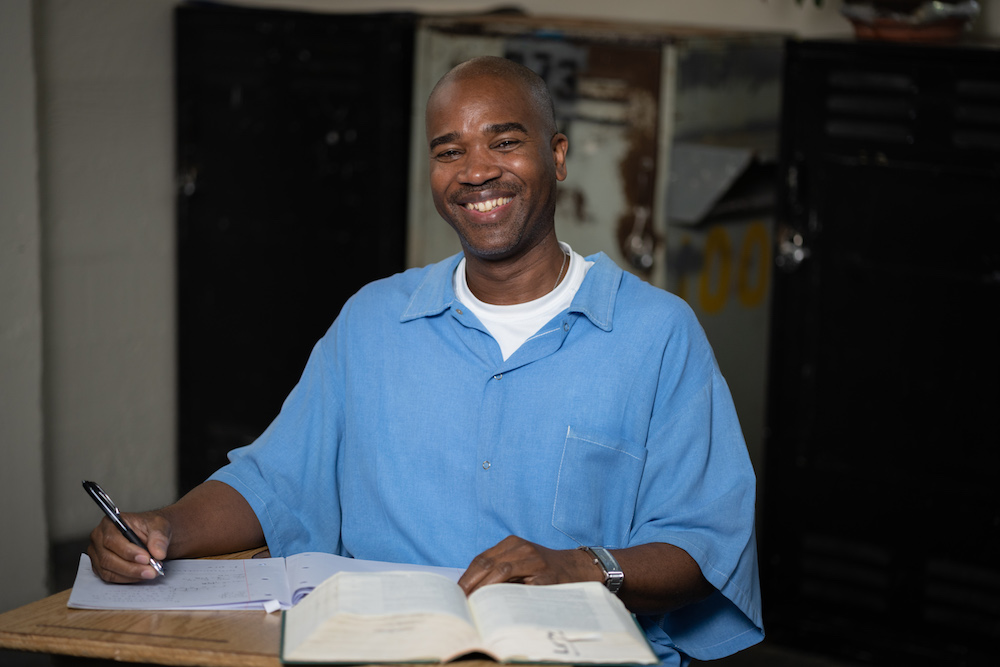
Students spoke to the similarities of their experience studying inside with the experiences of BPI students—the psychological difficulties of being an incarcerated college student, the struggle to manage their homework and workload alongside commitments to prison jobs and other programs, a lack of study spaces and quiet time, and their redefined sense of identity as scholars, community members, and engaged citizens. The clips struck a chord for many and affirmed their belief that higher education is an opportunity to expand minds and open up new worlds. Seeing another program helped contextualize our students’ experience in a larger movement to challenge the purpose of incarceration and shift it toward a less punitive and more restorative approach. Students formally applauded the filmmakers for making the film.
Poignant clips focused on family relationships provoked the strongest emotional reactions from the students. In one scene, an incarcerated woman Tamika argues with her mother about the merits of gaining a degree in prison. Her mother believes that Tamika doesn’t deserve a free education in prison and be given opportunities that people on the outside have to pay for. As their conversation escalates in the prison visiting room, one can only feel the palpable trauma and anguish that family members of incarcerated people experience too. Elitha, who came to San Quentin on behalf of her incarcerated brother Rodney, echoed that pain, but also shared how education opened her brother up to speaking about his crime and hold himself accountable. She expressed how proud and moved she was to watch the film clips and see him vulnerably open up about what happened for the first time. The clips of Elitha and Rodney interacting together in the visiting room deeply resonated with the students as they reflected on their own family and close friends who support them from the outside.
Elitha affirmed our students’ paths through higher education by highlighting how a person who committed a crime can’t always bring their victim back or help a grieving family, but as transformed, educated, actualized individuals, they can certainly come back to help their own families and communities, and help to make the world a better place.
Please note that the Prison University Project became Mount Tamalpais College in September 2020.
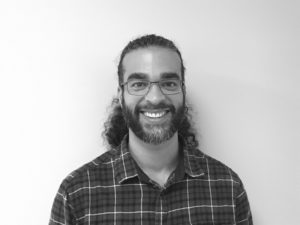 David Durand is a staunch believer in the notion that everyone deserves a quality education. Since 2004, David has involved himself in professional roles across the U.S. and in Haiti that aim to provide meaningful education and career development for students whose life experiences moved them away from traditional academic paths. David’s main area of interest focuses on utilizing education to decrease recidivism for students of all ages. This stems from his upbringing where, as a young person, many of his peers were caught in the school/prison nexus. After experiencing a profoundly moving semester as an English 99 Instructor, David is beyond excited to join the PUP team in this critical stage of the organization’s history. David holds a BA in French from the University of Wisconsin, Madison and an MA in Education, Leadership, and Change from Antioch University, Los Angeles. In his free time, David is active with his wife and sons exploring nature, playing guitar, or falling with grace on skateboards.


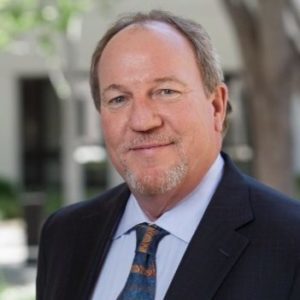 Reed Goertler has been committed to working in organizations that address the needs of underserved populations throughout his career and is looking forward to assisting the Prison University Project in its important mission. In 1998 he began working in 501(c)3 institutions affiliated with UCSF and Stanford University that addressed inequities in alcoholism/addiction and cancer research and funding. Reed oversaw administration, assuming the positions of Chief Financial Officer, Chief Operating Officer and Legal and Regulatory Affairs Officer. His early professional career spans work in the nascent biotech industry in finance and business development. Reed lives in Lafayette with his partner and the youngest of their five children. When not working, Reed enjoys kayaking, hiking and is pursuing a Master’s degree in Counseling Psychology.
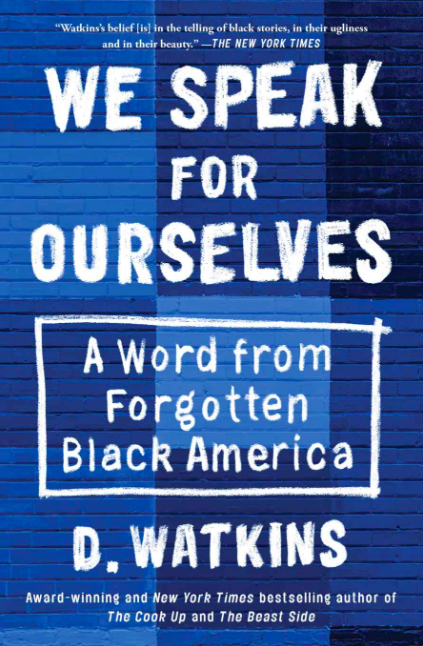 “I’m just a regular guy, a voice in the middle of a sea of voices that don’t seem to matter to most—which is why we may forever be misrepresented unless we speak for ourselves.” —D. Watkins
 Michael David Lukas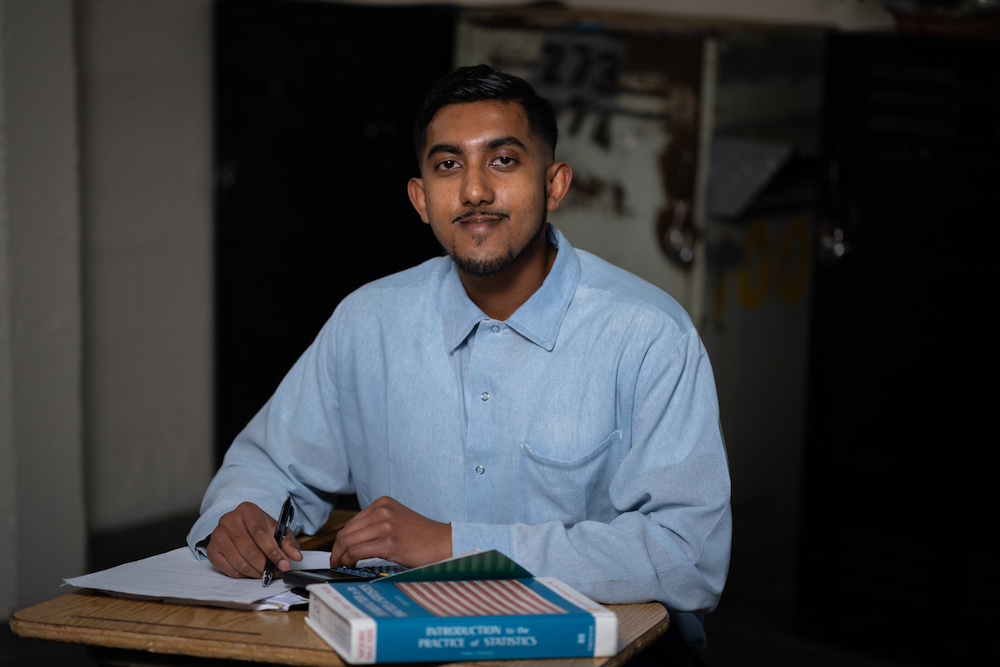

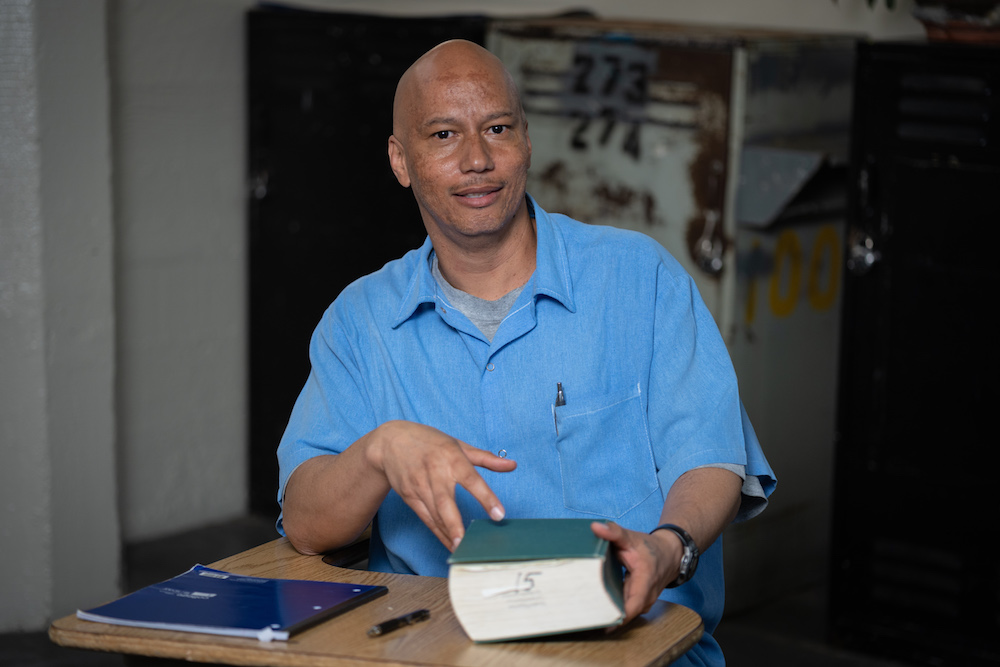

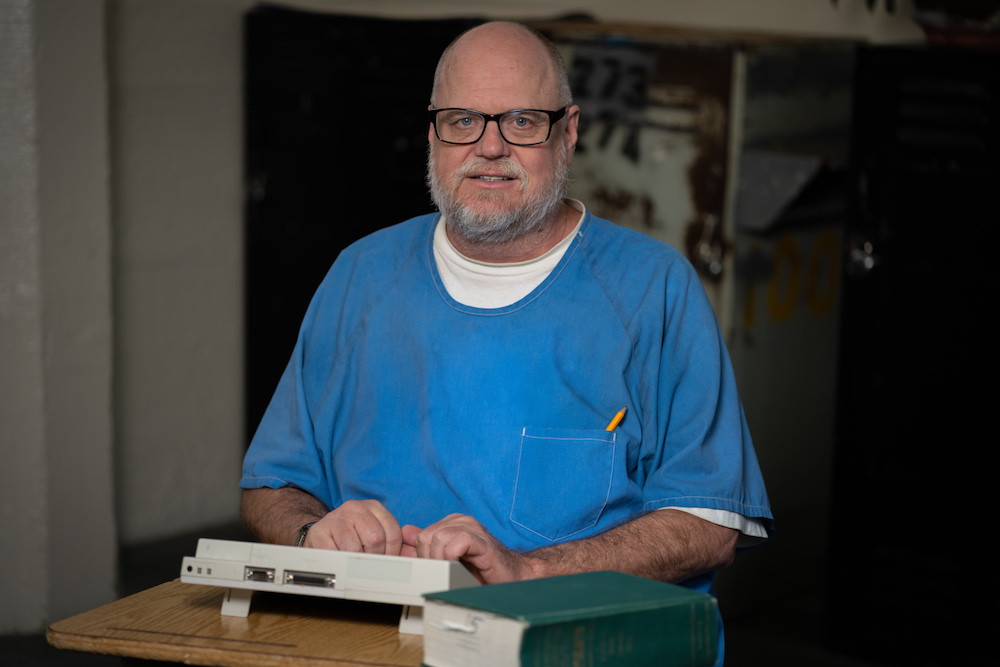
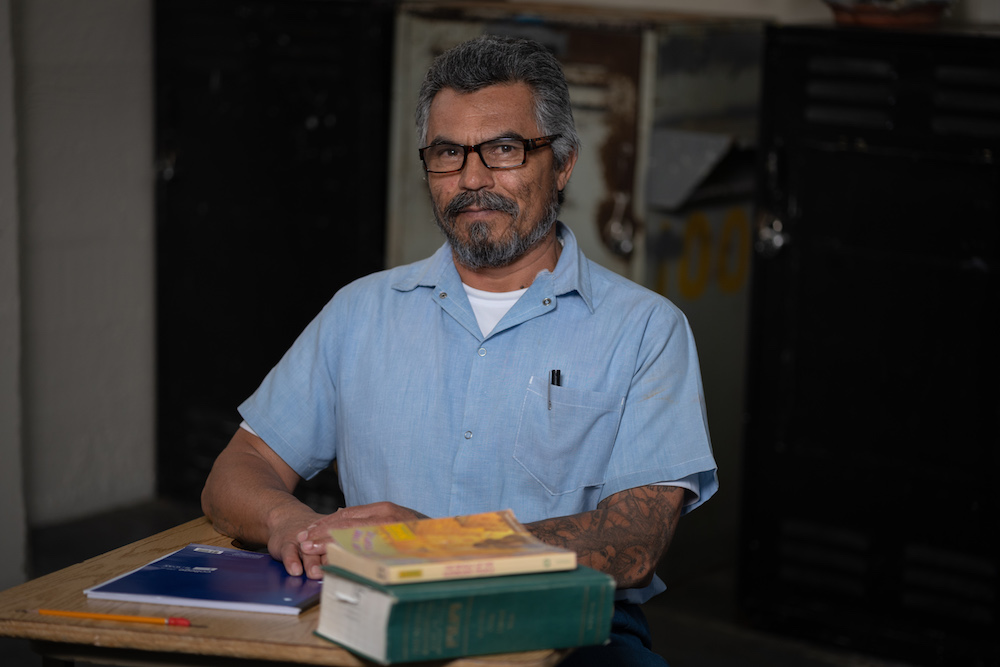
 Sharyl McGrew is excited to bring her extensive experience in nonprofit fundraising and higher education administration to the Prison University Project development team. Prior to joining the Prison University Project, she worked as a grant writing and project management consultant for a range of education and social service clients, raising over $40 million. She also worked for 7 years at the WASC Senior College and University Commission, overseeing several key accreditation processes and making policy recommendations related to innovation and change in higher education. From 2009-16, she taught English and Communications classes for the Prison University Project and also volunteered with San Quentin’s Alliance for Change. Sharyl earned a BA in English Literature from UC Santa Cruz and an MS in Community and Regional Development from UC Davis.
 Prior to joining Prison University Project,